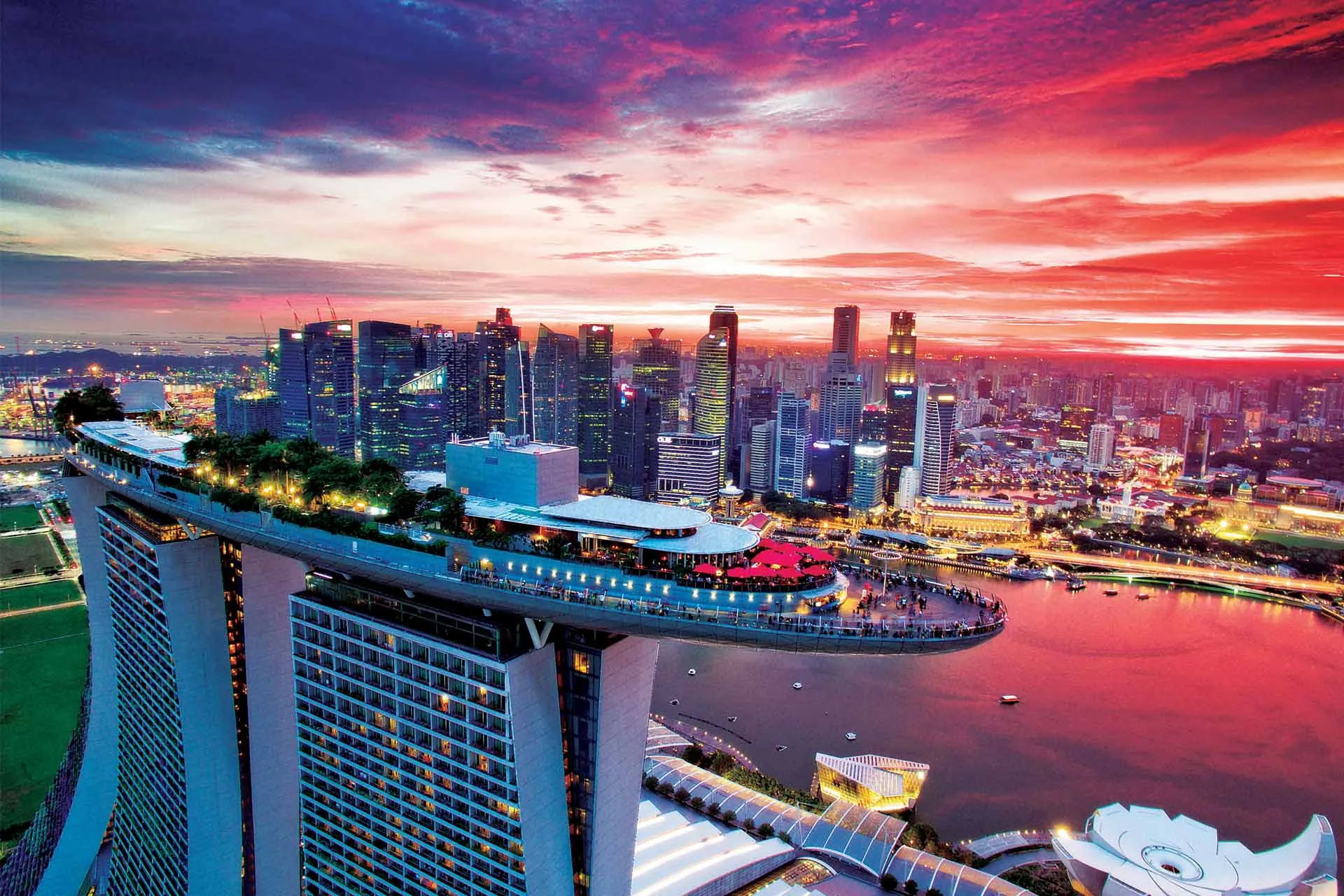
Singapore
Do You Need a Visa for Singapore? Entry Rules for Tourists and Grand Prix Week
Who needs a Singapore visa and who does not, how the Assessment Level I and II process works, what an e-visa costs and how long it takes, the 30-day visit pass, and the rules for attending the Grand Prix or a business event.
 source: Visit Singapore
Singapore's entry system is one of the more generous in the world, and for the large majority of visitors the answer to "do I need a visa" is simply no. But the minority who do need one face a process with a genuine quirk, applications are usually submitted by someone else on your behalf, and it catches first-time applicants out every year.
Here is the whole picture, in the order you will actually need it.
Step 1: check whether you need one at all
Passport holders from more than 150 countries may enter Singapore for tourism without a visa, including the United States, United Kingdom, EU member states, Australia, New Zealand, Canada, Japan, South Korea, China and most of ASEAN. For these travellers there is nothing to apply for, and nothing to pay.
A smaller group of nationalities requires a visa in advance for any purpose, tourism included. India is the most significant of these by volume, alongside a number of other countries.
There is exactly one authoritative list, and it is on the ICA website (ica.gov.sg). Nationality rules change, sometimes at short notice and sometimes bilaterally, so check it rather than a travel forum or a visa agency's summary.
Step 2: if you do need one, understand the two levels
Singapore sorts visa-required nationalities into two groups, and the difference matters mostly for time and paperwork.
Assessment Level I. The lighter process. Applications are submitted electronically through the SAVE system, typically by an authorised visa agent, a Singapore-registered local contact (a citizen or PR sponsoring the visit), or a strategic partner such as an airline or travel agency. Processing is usually quick, in the order of a few working days.
Assessment Level II. A heavier process with more supporting documentation, generally handled through a Singapore overseas mission, and with a longer lead time. Applicants in this group should allow several weeks rather than several days.
The quirk that surprises people: you usually do not submit your own application. Singapore's system is built around a sponsor or an authorised submitting party, which is why so many travellers use an agent even when the fee is avoidable.
Step 3: what it costs and what you get
The government's own visa fee is modest, in the region of S$30. Anything dramatically higher is an agency margin, not a government charge.
Two things a Singapore visa is not. It is not permission to enter: it is permission to seek entry, and the officer at the checkpoint makes the final call. And it does not set the length of your stay. That is determined separately by the short-term visit pass issued on arrival, commonly 30 days.
 source: Visit Singapore
Step 4: everyone still files the arrival card
Whichever category you fall into, nearly every visitor must submit the free SG Arrival Card within three days of arriving, including the arrival day. It is a digital arrival and health declaration, not a visa, and there is no charge for it on the official ICA channels.
This is the single most common avoidable problem at the counter, and our arrival card guide walks through the form field by field, along with passport validity, onward ticket and customs rules.
Step 5: the rules that apply once you land
Your visit pass is electronic, viewable in the MyICA app rather than stamped in your passport. Note the expiry date on arrival, not on the day you plan to leave.
Extensions are possible in some circumstances through ICA's e-Service, and must be requested before the pass expires. Overstaying in Singapore is treated far more seriously than in most countries, so treat the date as hard.
Multiple entries. If you are hopping to Malaysia or Indonesia mid-trip, note that re-entering Singapore starts a new visit pass at the officer's discretion, and back-to-back short hops purely to reset a pass are viewed poorly.
Attending the Grand Prix, a conference or a business event
This is the question we get most, and the answer is reassuringly boring: no special visa exists, and none is needed.
Attending the Singapore Grand Prix, a conference, an exhibition, business meetings, negotiations or a networking evening all fall within the ordinary short-term visit pass. Whether you needed a visa to obtain that pass depends only on your nationality, not on why you are coming.
The line to be aware of sits elsewhere. What a visit pass does not cover is taking up employment, performing for a fee, or providing paid services while in Singapore. Those require a work pass, and the short-term categories exist precisely for visiting speakers, performers and specialists. If you are being paid to do something while you are here, sort that out in advance; if you are attending, watching, meeting or negotiating, you are fine.
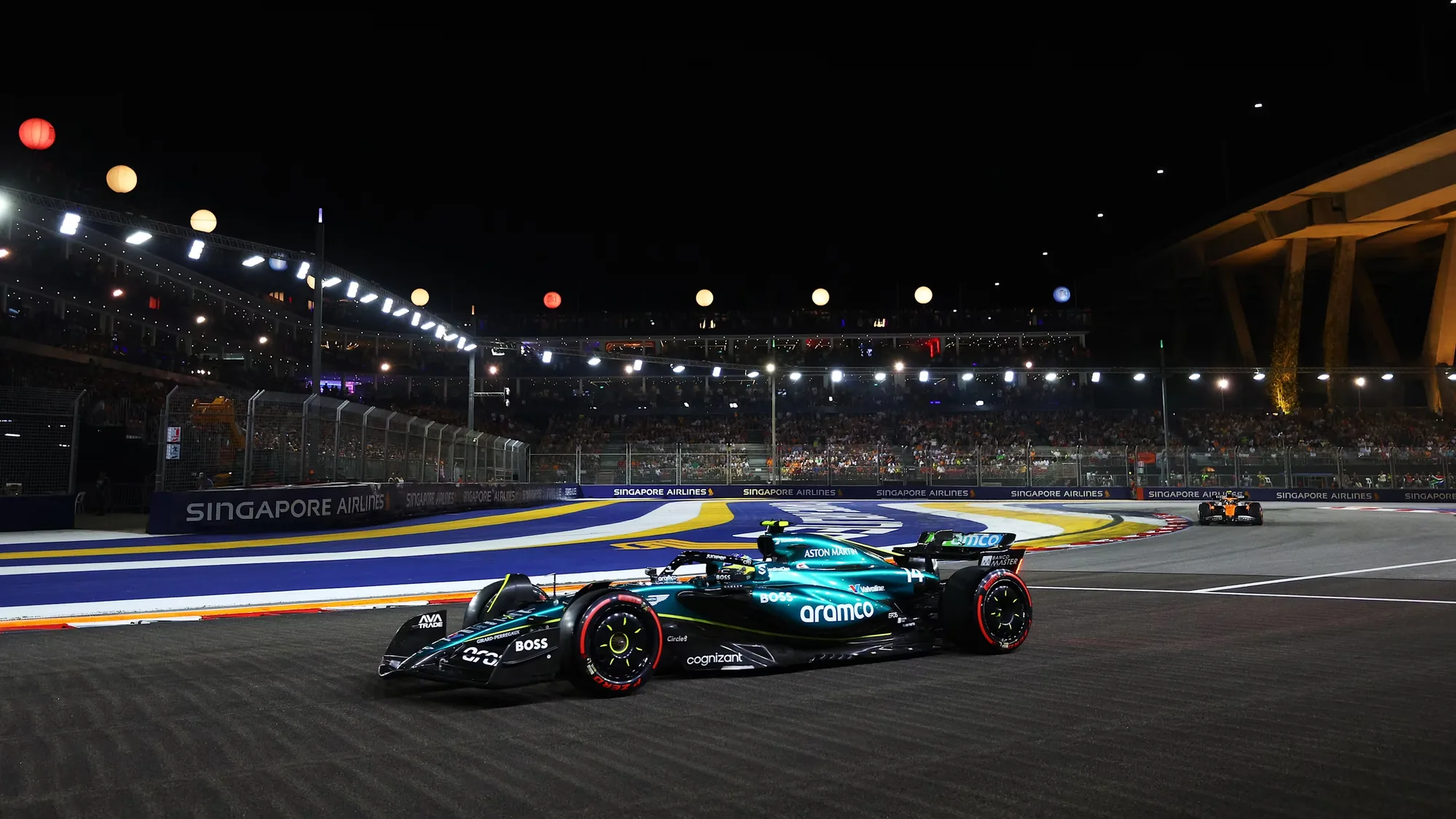
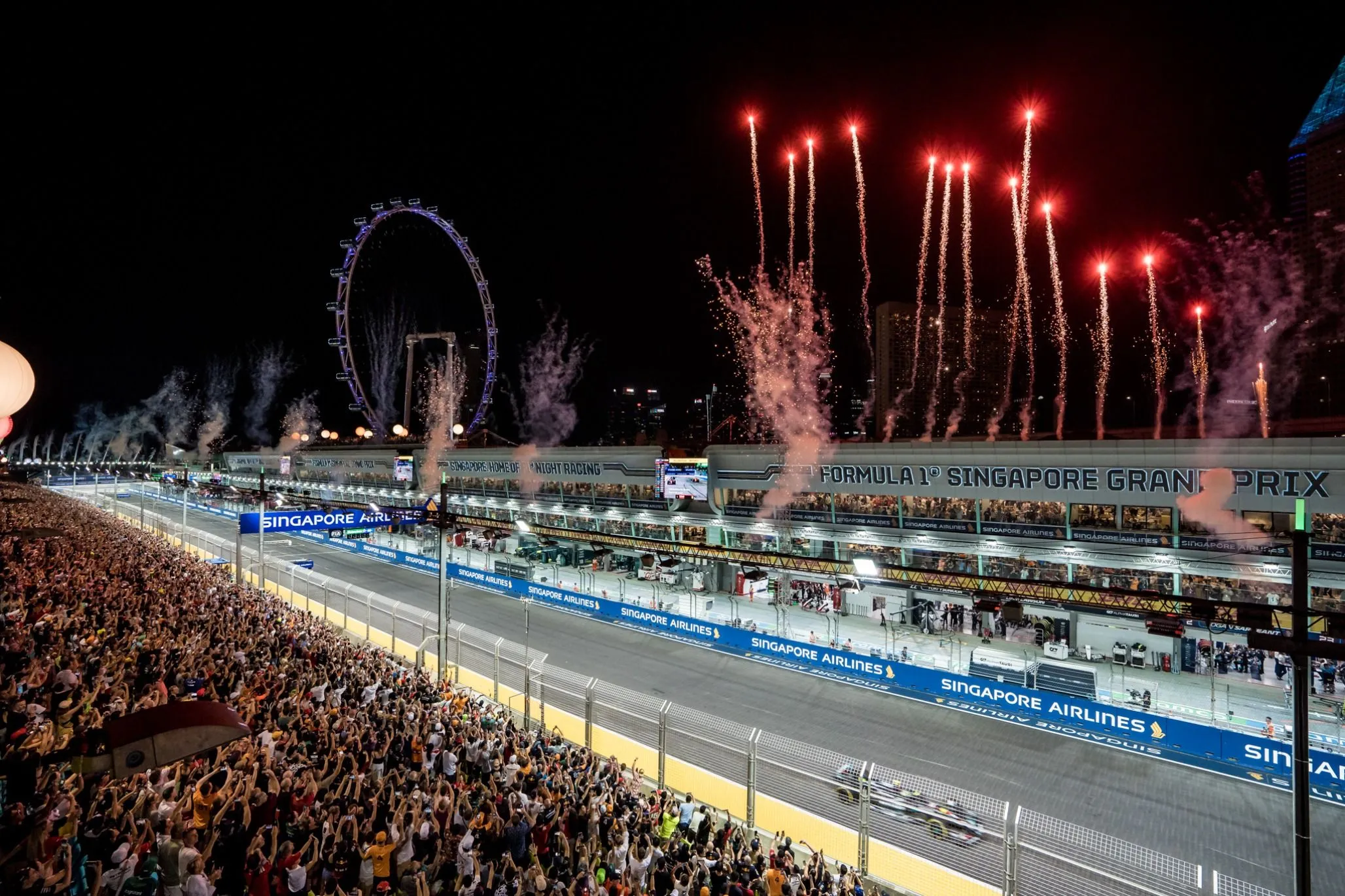
For race week itself, the practical constraints are hotels and flights rather than immigration. The 2026 Grand Prix runs 9-11 October, and the city fills from the Wednesday, as covered in our hotels guide and the race calendar.
A short checklist before you fly
- Passport valid for at least six months beyond arrival. Enforced.
- Visa, if your nationality requires one, applied for with enough lead time for your assessment level.
- SG Arrival Card submitted within three days of arrival, free, on ICA channels only.
- Return or onward ticket, which airlines frequently check at departure.
- Accommodation address to hand for the arrival card.
- Nothing prohibited in your bag. No duty-free cigarettes at all, and vapes are illegal in Singapore.
The best week to visit: Singapore Grand Prix week
If you have flexibility in when to use that visa, use it in October. During Singapore Grand Prix week, Grand Night takes over one of the city's finest rooftops for an evening of world-class music, performances and networking with APAC's top founders, investors and innovators, with the floodlit circuit below.
Visa and immigration rules change, including by nationality and at short notice. The ICA website (ica.gov.sg) is the only authoritative source; confirm your own position there before booking.
Frequently asked questions
Do I need a visa to visit Singapore?
Most nationalities do not. Passport holders from well over 150 countries, including the US, UK, EU states, Australia, Japan, South Korea, China and most of ASEAN, enter without a visa for short visits. A minority of nationalities, including India, must obtain a visa in advance. Check your own passport on the ICA website, which is the only authoritative list.
How long can I stay in Singapore without a visa?
The immigration officer grants a short-term visit pass at the checkpoint, most commonly 30 days for visa-free nationalities, though 14, 30 or 90 days are all possible depending on your passport. The pass is electronic; check its expiry in the MyICA app.
How much does a Singapore visa cost?
The government fee is modest, in the region of S$30, plus any fee charged by the authorised agent or local contact who submits it. Beware of sites quoting far higher 'processing' prices.
How do Indian citizens apply for a Singapore visa?
Indian passport holders need a visa in advance. Applications go through the SAVE system, submitted by an authorised visa agent, a Singapore-registered local contact or a strategic partner, rather than directly by the traveller. Apply at least a few weeks before travel.
Is a visa the same as the SG Arrival Card?
No. They are separate and you may need both. The SG Arrival Card is a free digital arrival declaration submitted within three days of arrival by nearly all visitors. A visa is prior permission to seek entry, required only by certain nationalities.
Do I need a special visa to attend the Singapore Grand Prix or a business event?
No. Attending a race, a conference, meetings or a networking event is covered by an ordinary short-term visit pass, whether you needed a visa to obtain it or not. What is not covered is taking up employment, paid performance or paid work, which requires a separate work pass.