Singapore
Halal Singapore: Where to Eat, Where to Pray, and How to Check Prayer Times
A Muslim traveller's guide to Singapore: how MUIS halal certification works, the best halal food in Kampong Glam, Geylang Serai and the hawker centres, mosques and prayer rooms, and where to get accurate daily prayer times.
 source: Visit Singapore
Singapore is one of the easiest cities in Asia to visit as a Muslim traveller. Around 15 percent of the population is Muslim, halal food is mainstream rather than niche, and the certification system is rigorous enough that you rarely have to guess.
The search data reflects how many people are planning around it: "prayer time singapore", "waktu solat singapore" and "jadwal sholat singapore" all rank among the fastest-growing Singapore searches of recent years, alongside steady demand for halal dining.
How halal certification works here
Singapore's halal certification is administered by MUIS, the Islamic Religious Council of Singapore, a statutory body. Certified premises display a halal certificate with a certificate number and an expiry date, usually at the counter or the entrance.
Three things worth knowing.
The certificate is the standard, not the signage. A "no pork, no lard" notice means exactly that and nothing more. It is common in Chinese and Western restaurants and does not imply certification.
Certified premises do not serve alcohol. If a restaurant has a full bar, it is not MUIS certified, regardless of what else is on the menu.
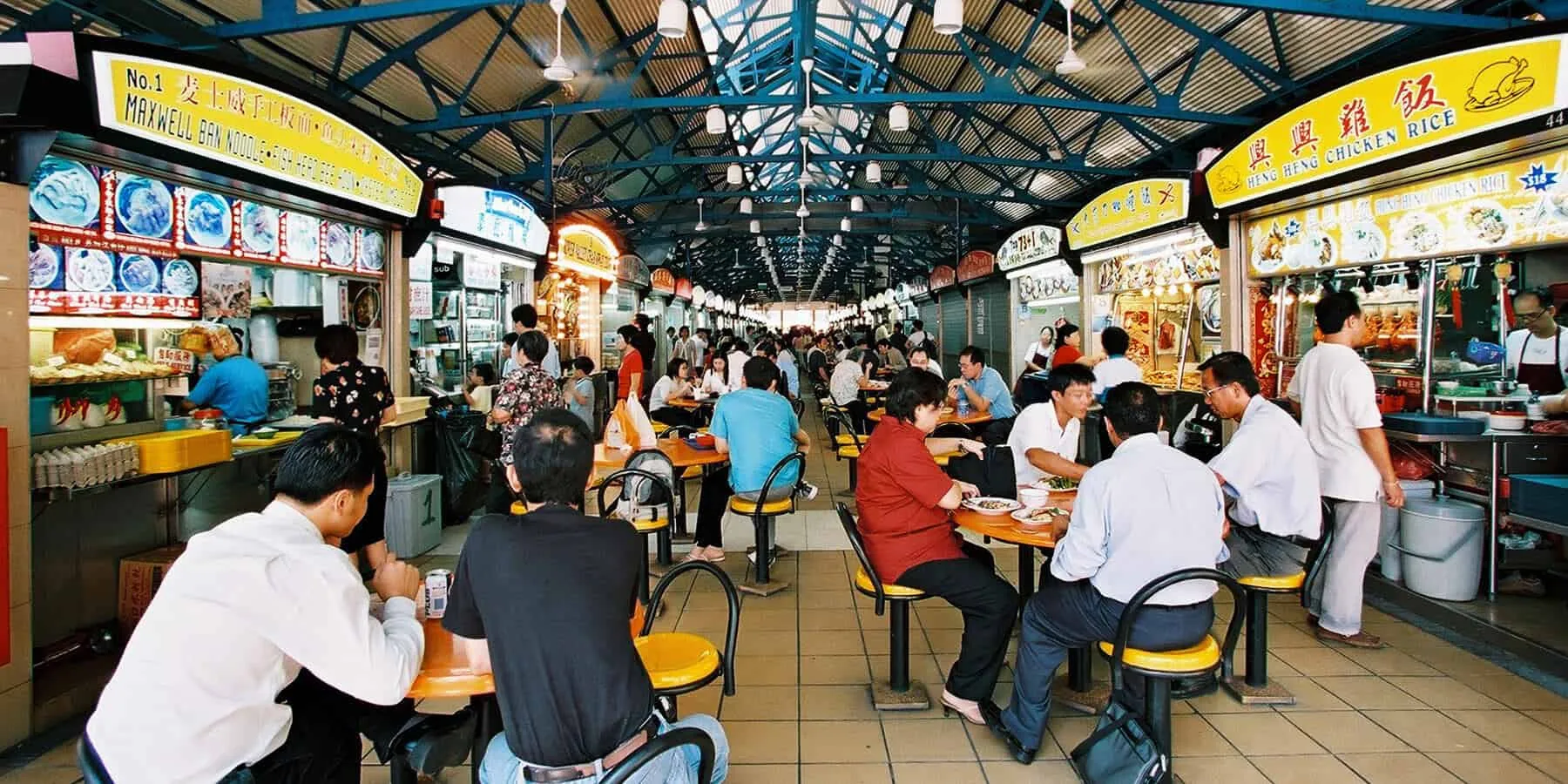
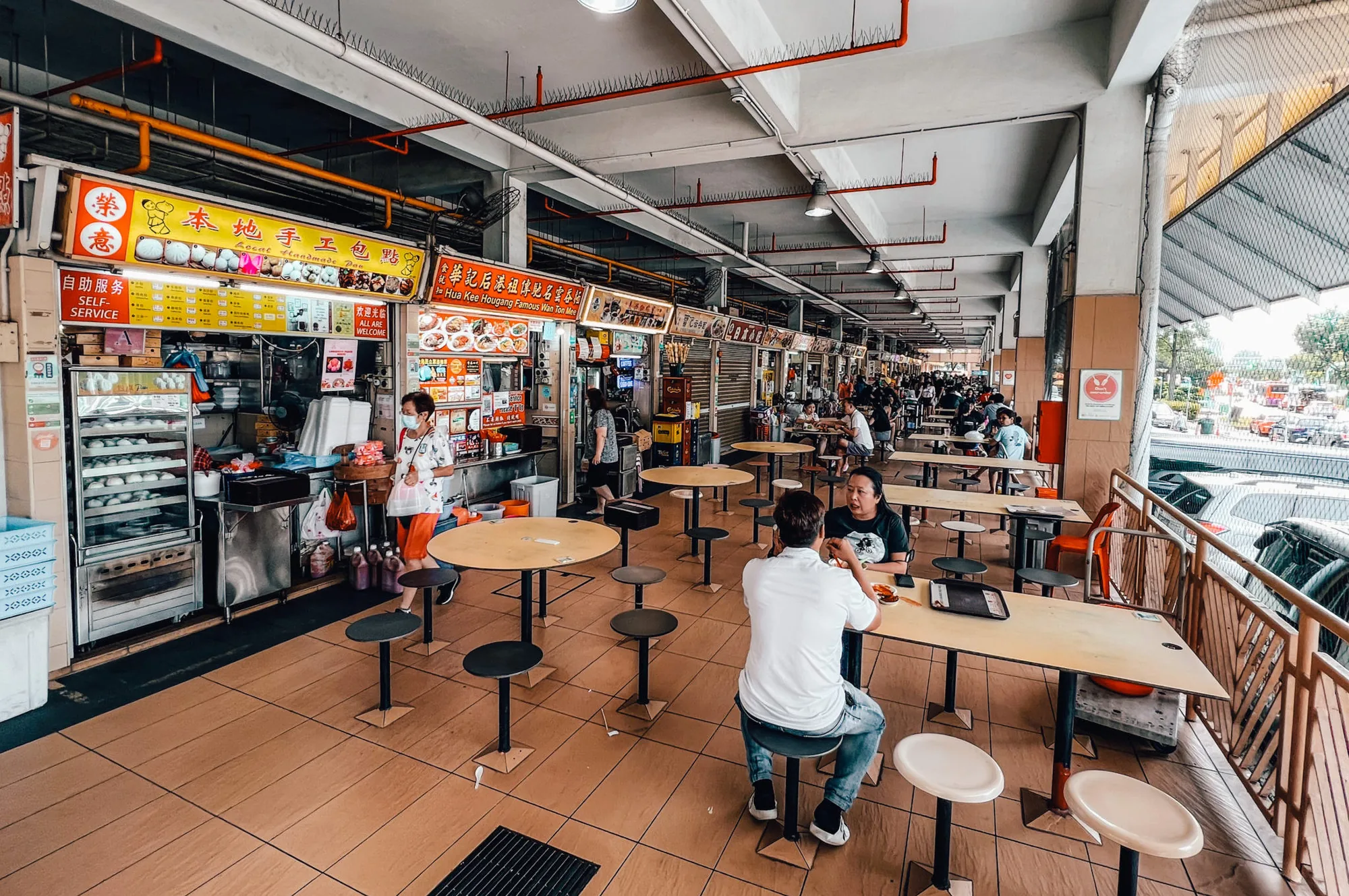
Hawker stalls are certified individually. In a food centre, one stall can be certified while its neighbour is not, so check the specific stall rather than the building.
The MuslimSG app, published under MUIS, carries both prayer times and halal verification, which makes it the single most useful download for the trip.
Prayer times, and where to get them
Singapore's proximity to the equator means the daily schedule is unusually stable: Subuh in the early morning, Zohor around midday, Asar mid-afternoon, Maghrib shortly after 7pm and Isyak in the evening, shifting by only minutes across the year rather than hours.
Take the times from MUIS at muis.gov.sg or the MuslimSG app rather than a generic international app, since MUIS publishes the locally observed schedule.
Where to pray
Masjid Sultan in Kampong Glam is the landmark: the golden dome that anchors the district, built in its current form in the 1920s, open to visitors outside prayer times with robes provided at the entrance. Bussorah Street outside it is one of the most atmospheric streets in the city, and during Ramadan the tarawih crowds spill onto it.
Beyond it, mosques are distributed across every district, so you are rarely far from one. Changi Airport has prayer facilities in the terminals, and many of the larger malls in Orchard, Marina Bay and the heartlands provide prayer rooms, usually near the toilets on an upper or basement level.
Where to eat
Kampong Glam. The obvious first stop and still the best. Zam Zam has been serving murtabak on North Bridge Road since 1908; Hjh Maimunah is a Malay nasi padang institution that has appeared in the MICHELIN Guide's Bib Gourmand selection. Around them sit modern halal cafés, Turkish grills and dessert shops, all within a few streets.
Geylang Serai. The Malay-Muslim cultural heart of the city, anchored by a market and food centre where the nasi lemak, mee rebus and kueh are the real thing. During Ramadan its bazaar becomes one of the largest street-food events of the Singapore year, running for weeks.
Hawker centres. Certified stalls appear across the network, and Tekka Centre in Little India is a particularly strong option with a large halal section covering biryani, roti prata and Indian-Muslim classics. Our hawker centres guide covers the wider map, with the certification caveat above.
Arab Street to Little India. The stretch between the two neighbourhoods is the densest run of halal-friendly dining in the city, and doubles as the best walk in Singapore for anyone who likes markets, textiles and street photography.
 source: Visit Singapore
Halal-certified fine dining and hotels
Certified options at the higher end have grown steadily. Several hotel restaurants and buffet lines hold certification, and a number of well-known Singapore chains, including local fast-food and dessert brands, are certified island-wide.
If you are booking a hotel, ask two specific questions rather than one general one: is the hotel's own restaurant certified, and does the room service kitchen share it. Many properties are certified in one outlet only. Our hotels guide covers the areas and price points.
Practical notes for the trip
- Ramadan transforms Geylang Serai and Kampong Glam and is a wonderful time to visit, with bazaars running nightly for weeks.
- Hari Raya Puasa and Hari Raya Haji are public holidays; the dates for both years are in our public holidays guide.
- Alcohol is widely served in Singapore, including at hawker centres. Certified stalls will not have it.
- Halal certification lapses. Certificates expire and are renewed, so a place that was certified two years ago may not be today. Check the current certificate on the wall.
Halal dining during Singapore Grand Prix week
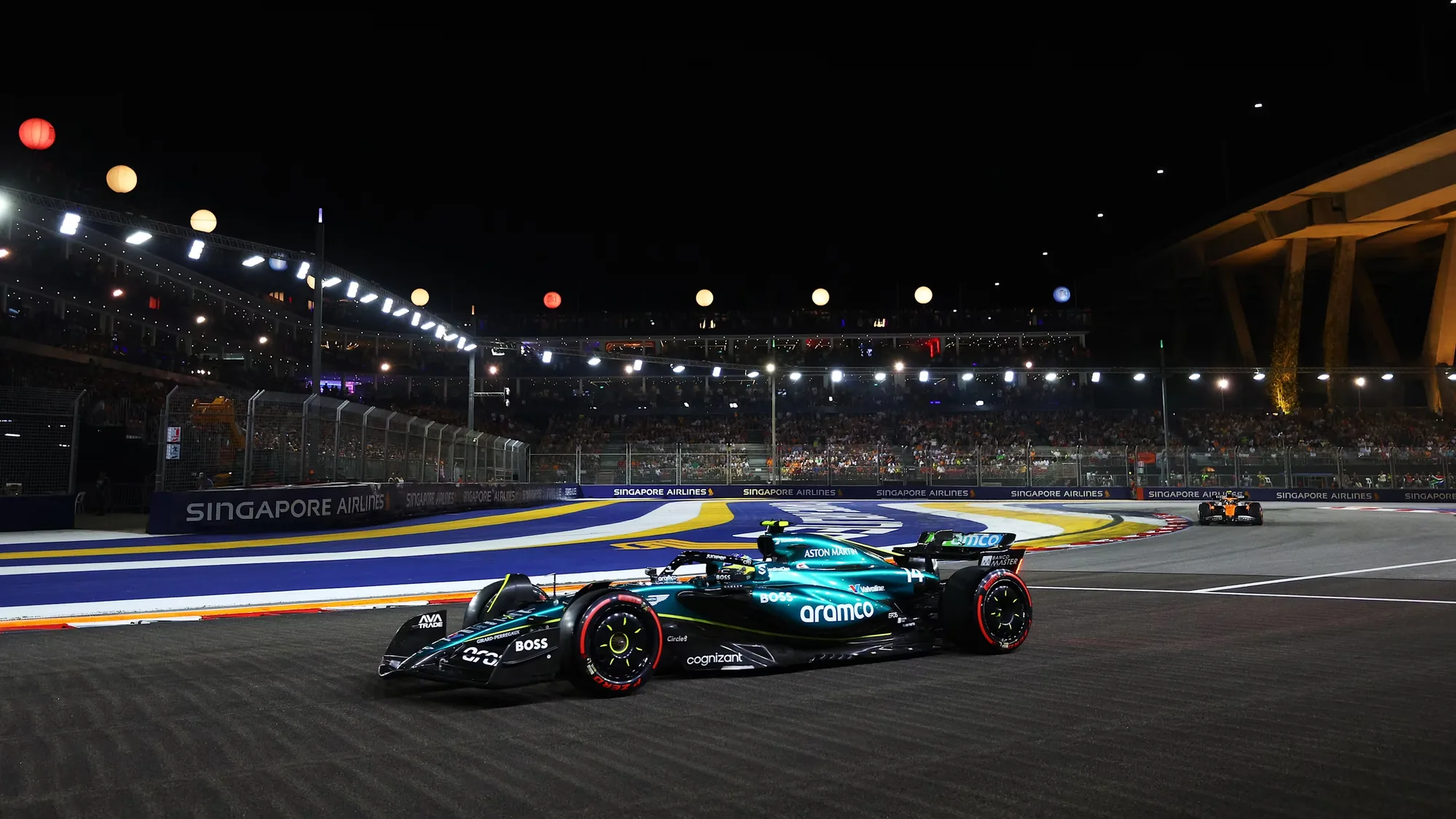
The Singapore Grand Prix runs 9-11 October 2026, and Kampong Glam sits comfortably outside the road closures, which makes it one of the better dinner districts that week when the bay is gridlocked. Eat there, then take the MRT down for the evening.
That week, Grand Night takes over one of the city's finest rooftops for an evening of world-class music, performances and networking with APAC's top founders, investors and innovators, high above the circuit.
Certification status, opening hours and prayer times change. Verify halal certification with MUIS and prayer times via muis.gov.sg or the MuslimSG app.
Frequently asked questions
How do I know if a restaurant in Singapore is halal?
Look for the MUIS halal certificate displayed at the counter, which carries a certificate number and expiry date. MUIS certifies thousands of establishments, and the certificate, not a sign saying 'no pork', is the thing to check. The MuslimSG app and the MUIS website let you verify a business.
Where can I find prayer times in Singapore?
The official daily times are published by MUIS on muis.gov.sg and in the MuslimSG app. Times shift slightly through the year, and because Singapore sits close to the equator they vary far less than in temperate countries.
Where is the best halal food in Singapore?
Kampong Glam around Sultan Mosque and Bussorah Street for heritage restaurants and cafés, Geylang Serai for Malay food and its Ramadan bazaar, and the certified stalls in major hawker centres including Tekka in Little India.
Are there prayer rooms in Singapore malls and at the airport?
Yes. Changi Airport has prayer facilities in the terminals, and many large malls in Orchard, Marina Bay and the suburbs provide prayer rooms, alongside more than 70 mosques across the island.
Is Singapore Muslim-friendly for travellers?
Very. Roughly 15 percent of the population is Muslim, halal options are widespread including in food courts and hotel restaurants, and mosques are distributed across every district.
Do halal restaurants in Singapore serve alcohol?
MUIS-certified establishments do not serve alcohol. Some Muslim-owned or 'no pork no lard' restaurants may, which is precisely why the certificate is the thing to check rather than the menu.