Singapore
The Singapore MRT Guide for Tourists: Cards, Fares, Lines and the Tap Mistake That Costs You
How to ride the Singapore MRT as a visitor: tap your own contactless card, when the Tourist Pass is worth it, what fares actually cost, the lines that matter, airport transfers and the rules that carry fines.
 source: Visit Singapore
Singapore's MRT is the fastest, cheapest and coolest way to move around the city, in both senses. Trains are frequent, stations are air-conditioned, and the network reaches nearly everything a visitor wants to see. The only genuinely confusing part is the ticketing, and that is now much simpler than most guides suggest.
How to pay for the Singapore MRT
You do not need to buy anything. Singapore's gantries accept contactless Visa, Mastercard and American Express, along with Apple Pay and Google Pay. Tap on the way in, tap on the way out, and the fare is deducted at the same rate a local pays with a stored-value card. Foreign-issued cards attract a small daily administration fee of well under a dollar, charged once per day of travel rather than per trip.
The one rule that catches people out: tap in and tap out with the same card or device. Tap in with your phone and out with your plastic card and the system cannot match the journey, so you are charged the maximum fare on both.
When to buy a card instead
Three situations justify buying something at the station.
You are travelling with children or a group and do not want everyone tapping separate bank cards. Buy EZ-Link stored-value cards, top them up at station machines, and share the admin.
You are riding constantly, four or five journeys a day across MRT and buses. The Singapore Tourist Pass offers unlimited travel for one, two or three days, and it starts to make sense at that volume. Below it, pay as you go.
Your bank charges foreign transaction fees per tap. Some cards do; check before you rely on contactless for a week.
The lines you will actually use
Singapore's MRT map looks busy, but visitors mostly live on four lines.
- North South (red) links Orchard, Marina Bay and the Botanic Gardens end of town, and runs up to Woodlands.
- East West (green) carries you from Changi Airport through City Hall and Raffles Place to Jurong.
- Circle (yellow) loops around the centre, useful for Bras Basah, Botanic Gardens and Marina Bay.
- Downtown (blue) covers Chinatown, Bugis, Little India and Bayfront for Gardens by the Bay.
The interchange names to remember are City Hall, Raffles Place, Dhoby Ghaut, Bugis and Bayfront. Google Maps and the official app both give accurate live routing, including which carriage to board for the fastest exit.
Getting to and from Changi Airport
The MRT station sits under Terminals 2 and 3, with a free skytrain from Terminals 1 and 4. Trains run to Tanah Merah, where you change for a westbound service into the city; total journey time to City Hall is around 45 minutes, and the fare is a few dollars.
Taxis and ride-hailing take 20-30 minutes to the centre outside peak hours, cost far more than the train and still less than an airport transfer in most world cities. With luggage, a late arrival or a family, take the car. Note that MRT service stops around midnight, so red-eye arrivals will need a taxi regardless.
 source: Visit Singapore
Singapore MRT rules and etiquette
Singapore's transport etiquette is enforced by both social pressure and actual fines.
- No eating or drinking anywhere in the paid area, including plain water and sweets.
- No durians. The sign is not a joke, it is a bylaw.
- Let passengers off before boarding. Queue markings on the platform show where.
- Reserved seats are genuinely reserved, and locals will point it out if you sit in one and someone needs it.
- No smoking or vaping. Vaping is illegal across Singapore, not just on trains.
What the MRT gets you to
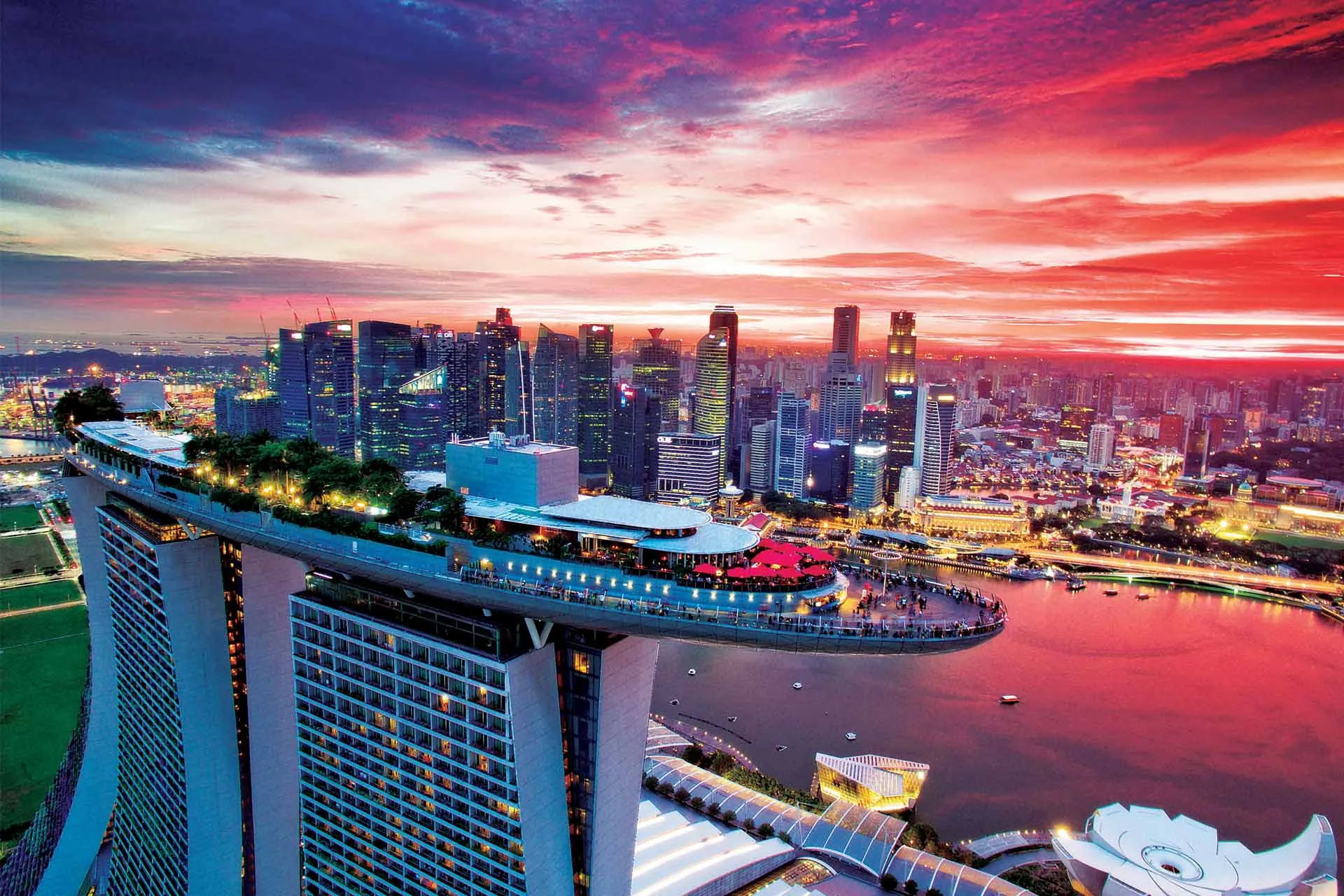
Nearly everything on a first-time itinerary sits within a few minutes of a station: Gardens by the Bay and Marina Bay Sands at Bayfront, the Merlion and the CBD at Raffles Place, shopping along Orchard, the hawker heartland of Chinatown at Chinatown and Maxwell, and the Kampong Glam cafés at Bugis. For Sentosa and Universal Studios, ride to HarbourFront and cross on the Sentosa Express.
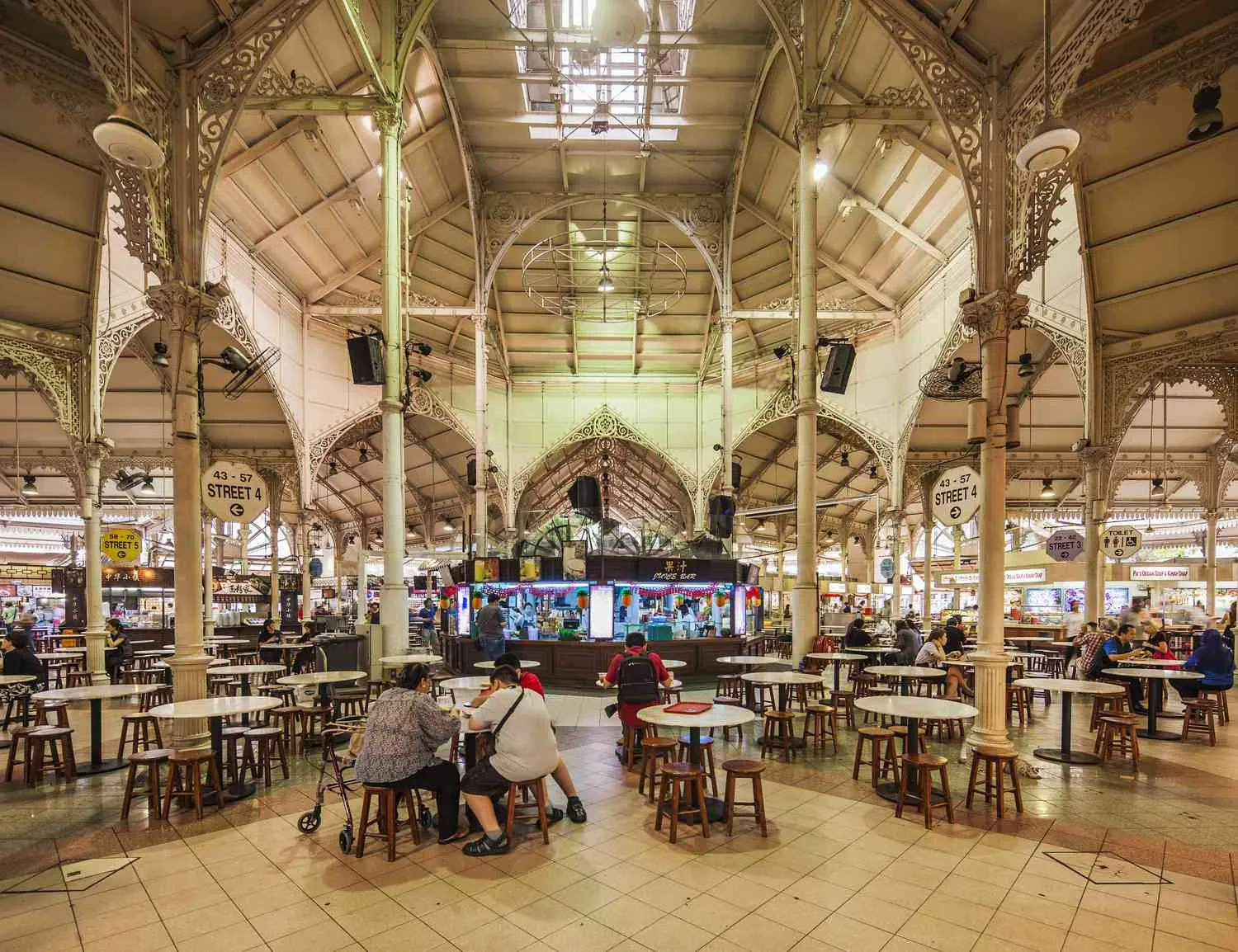
It also makes the city's food map easy to work through, from the best hawker centres to the aesthetic cafés, without a single taxi.
The exception: Grand Prix week
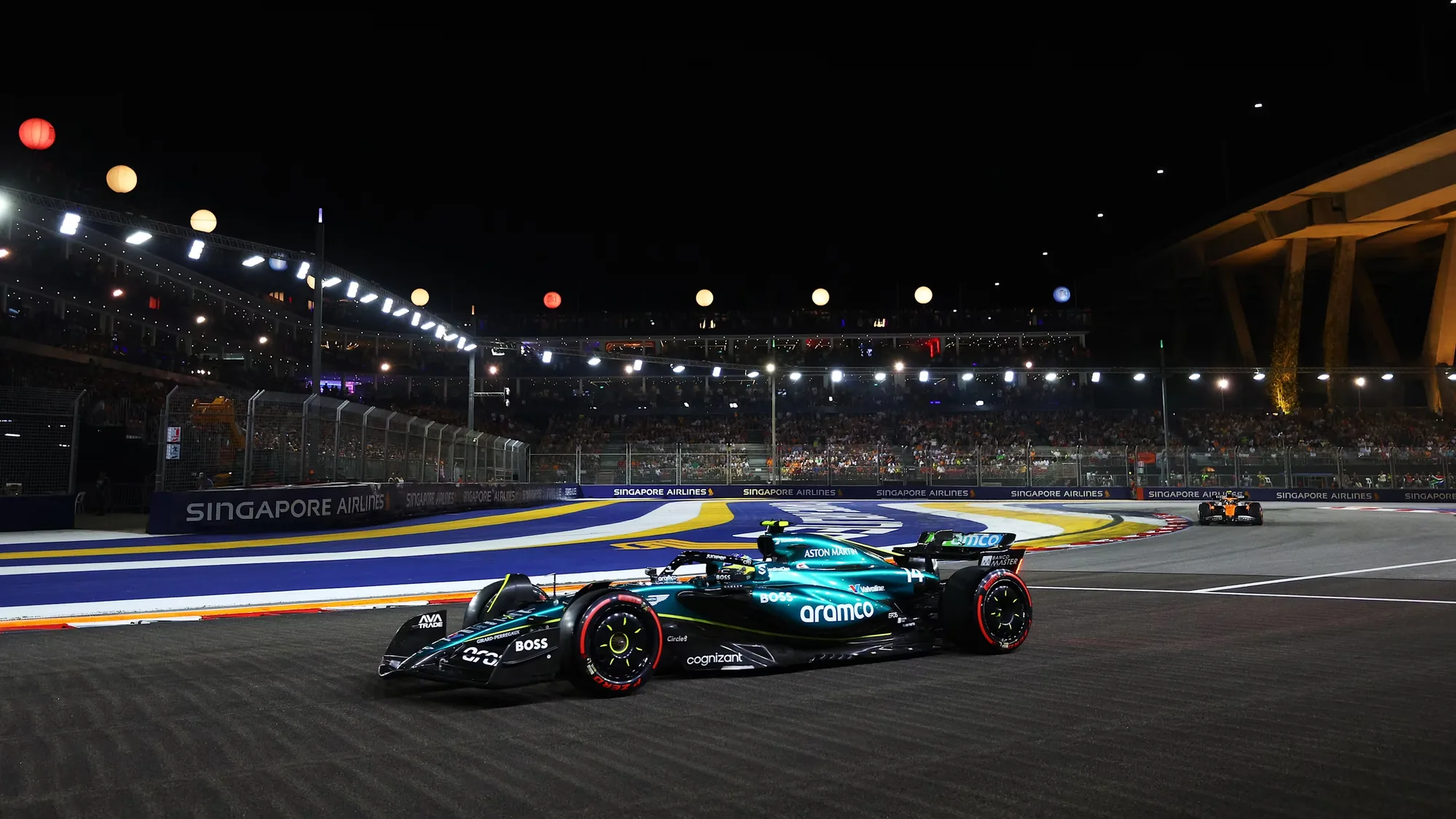
For one week in October, the MRT becomes the only sensible way to move. The Singapore Grand Prix on 9-11 October 2026 closes the roads through the civic district and Marina Bay, taxis crawl, and ride-hail surge pricing goes vertical. Trains run extended hours on race nights and the stations nearest the circuit get very busy, so plan an exit station one stop further out than the obvious one.
That is also the week Grand Night takes over one of the city's finest rooftops for an evening of music, performances and networking with APAC's top founders, investors and innovators, a few minutes' walk from the track.
Fares, passes and operating hours change. Check current details on the official transport operator sites before you travel.
Frequently asked questions
Do I need an EZ-Link card to ride the MRT in Singapore?
No. You can tap any contactless Visa, Mastercard or American Express card, or a phone wallet, straight at the gantry and pay the same fare as a stored-value card, with a small daily admin fee on foreign-issued cards. Buy an EZ-Link or Tourist Pass only if you prefer not to use your bank card.
Is the Singapore Tourist Pass worth it?
Only if you ride a lot. The unlimited-travel pass makes sense from roughly four or five MRT and bus trips a day. Most visitors staying centrally take two or three, in which case paying per trip is cheaper.
How much is an MRT ride in Singapore?
Adult card fares run from a little over one Singapore dollar for a short hop to under three dollars for the longest cross-island journeys, which makes the MRT one of the cheapest metro systems in a high-income city.
How do I get from Changi Airport to the city by MRT?
Take the East West Line from Changi Airport station and change at Tanah Merah for a train towards the city. It takes roughly 45 minutes to City Hall or Raffles Place. A taxi or ride-hail takes about 20-30 minutes off-peak.
What are the rules on the MRT?
No eating or drinking, including water, and no durians. Fines are real and enforced. Stand on either side of escalators, let passengers off first, and keep the reserved seats free.
What time does the Singapore MRT run?
Roughly 5.30am to just past midnight on most lines, with extended hours on major holidays such as New Year's Eve and Chinese New Year.