Formula 1
All the 2026 F1 Liveries: A New Era of Design
Every 2026 Formula 1 team identity on the new smaller cars: Cadillac's debut, Audi's first works colours, Ferrari red, McLaren papaya, Mercedes, Red Bull Ford, Aston Honda green and the full midfield, plus why active wings change how liveries read.
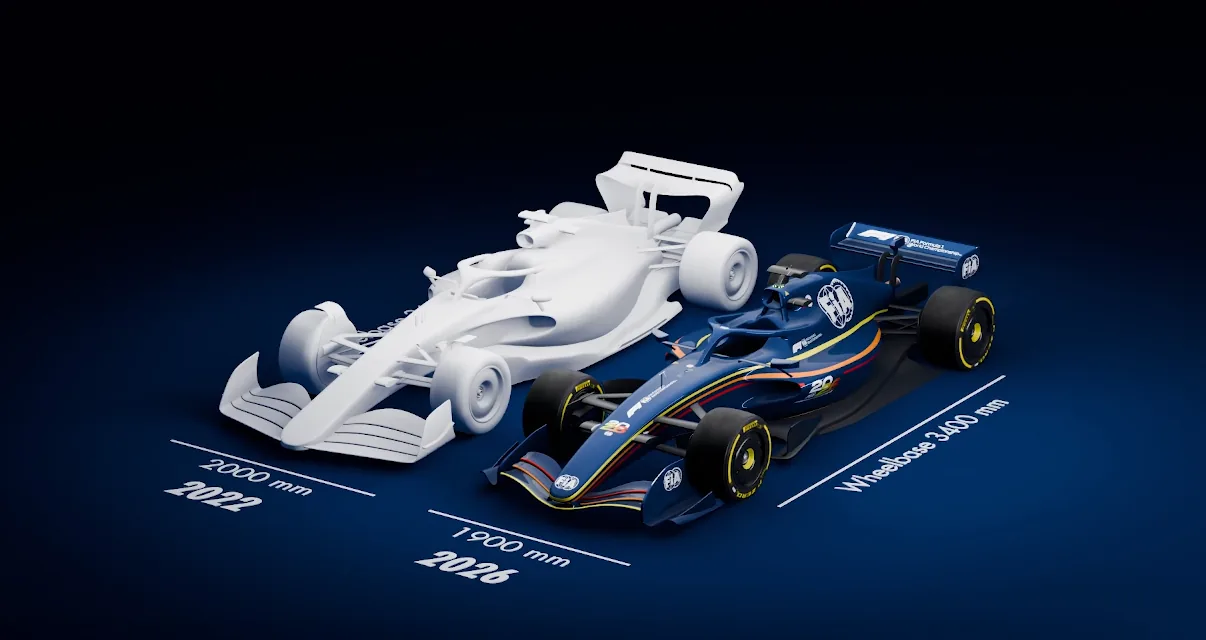 source: Formula 1
Livery season is Formula 1's unofficial new year. In 2026 the ritual was more than a fresh coat of paint: the cars underneath changed more than at any point in a generation. Here is how all eleven teams show up.
Why 2026 liveries look different
Minimum weight dropped toward roughly 768 kg, wheelbase from 3.6 m to 3.4 m, width from 2.0 m to 1.9 m, tyres slimmed. Designers got a tighter canvas. DRS is gone; active front and rear wings switch between Z-Mode (cornering) and X-Mode (straight-line), so every scheme has to work on a shape-shifting car.
source: Formula 11. Cadillac: clean-sheet American identity
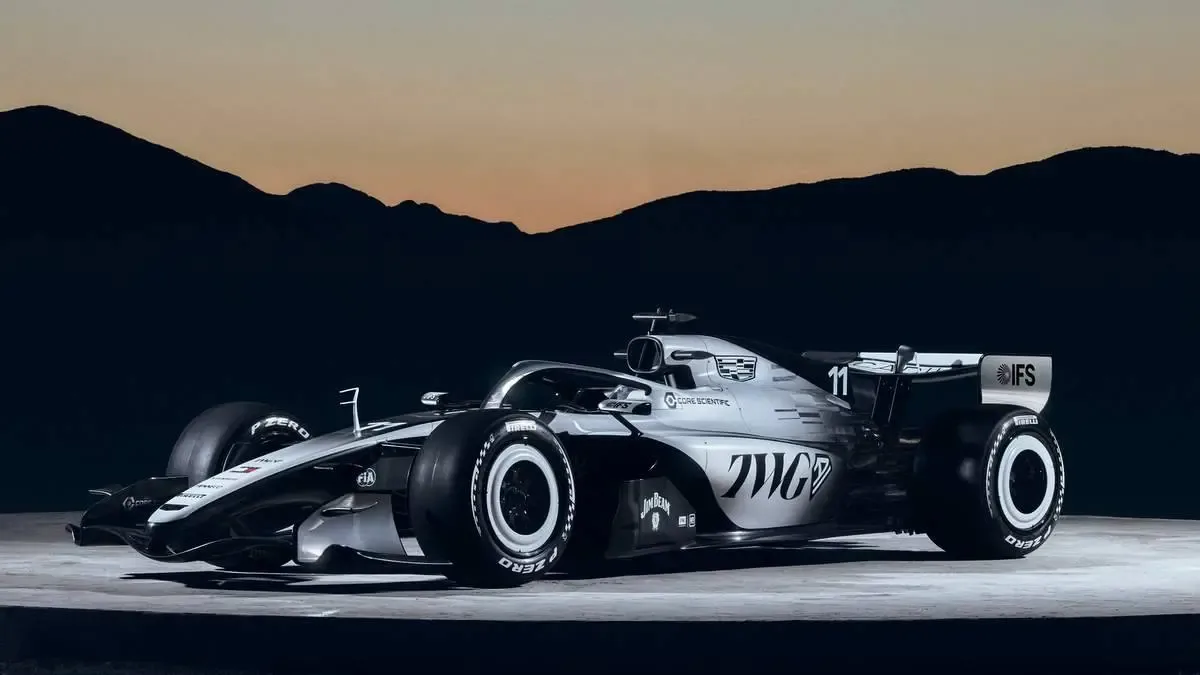
The debut everyone circled. Not a rebrand of an existing team: a genuine new colour presence for the first American works project of the modern era, with Pérez and Bottas aboard. First impressions under floodlights will define the brand for a decade.
 source: Cadillac F1
2. Audi: four rings on a works car
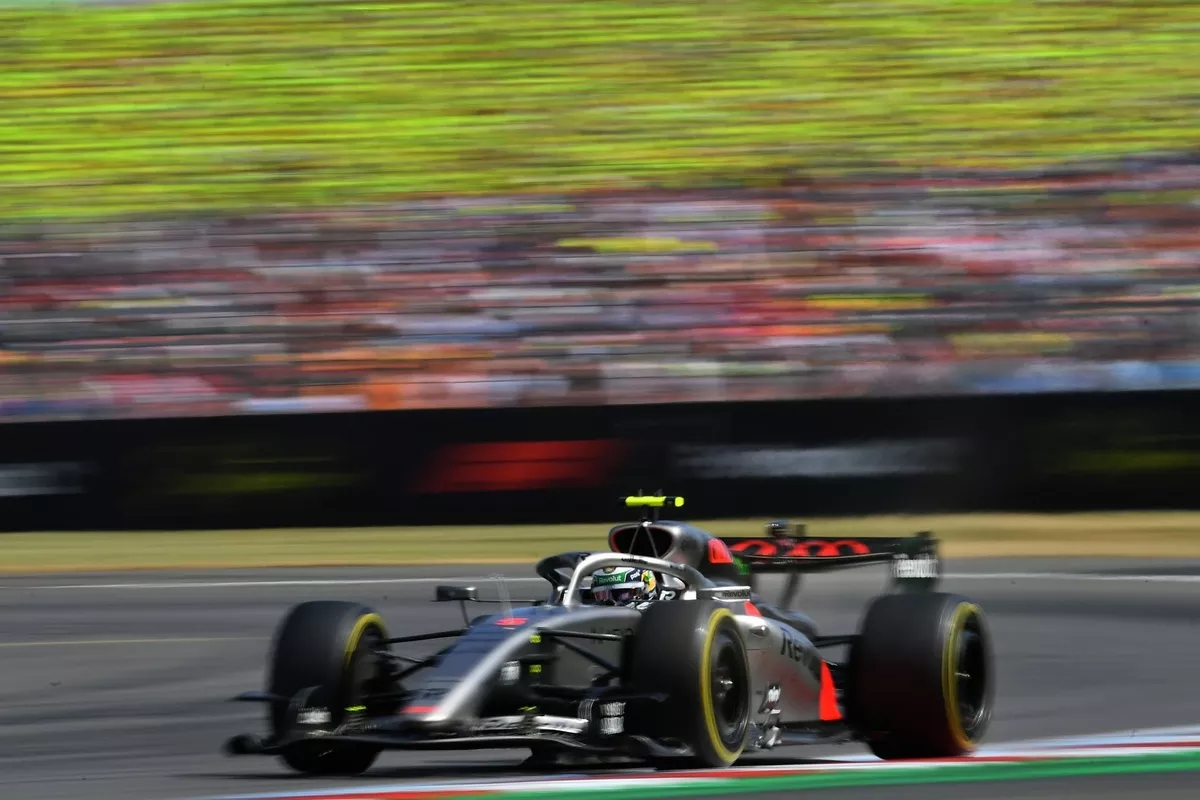
Sauber's transformation completes as Audi paints its first works Grand Prix car. Road-car design language, four rings, Hinwil and Neuburg engineering: the livery has to carry a manufacturer story as heavy as the power unit under the cover.
 source: Audi
3. Ferrari: SF-26 red
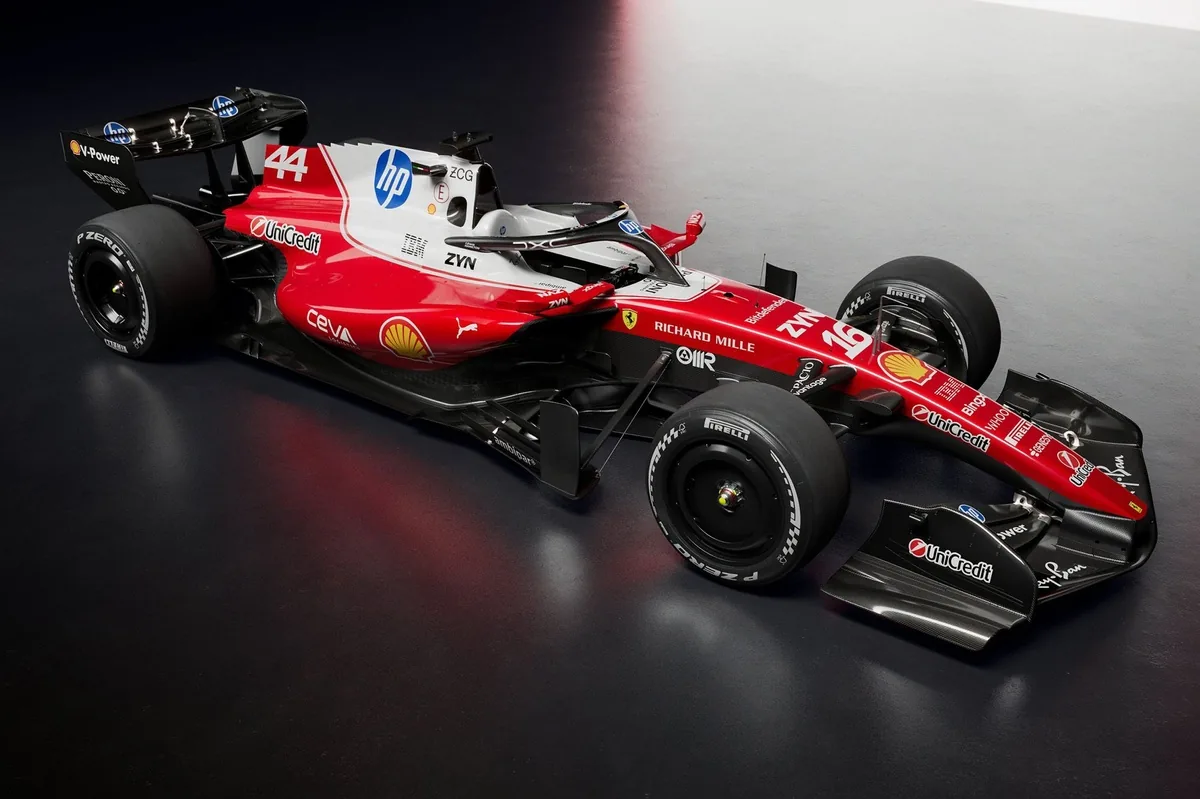
Rosso corsa still has to win on a smaller silhouette. Hamilton's second season in red keeps global eyes on every launch photo; the SF-26's nose, sidepods and active rear wing decide whether classic Ferrari still photographs like a championship car in 2026 proportions.
 source: Scuderia Ferrari HP
4. McLaren: papaya on the MCL40
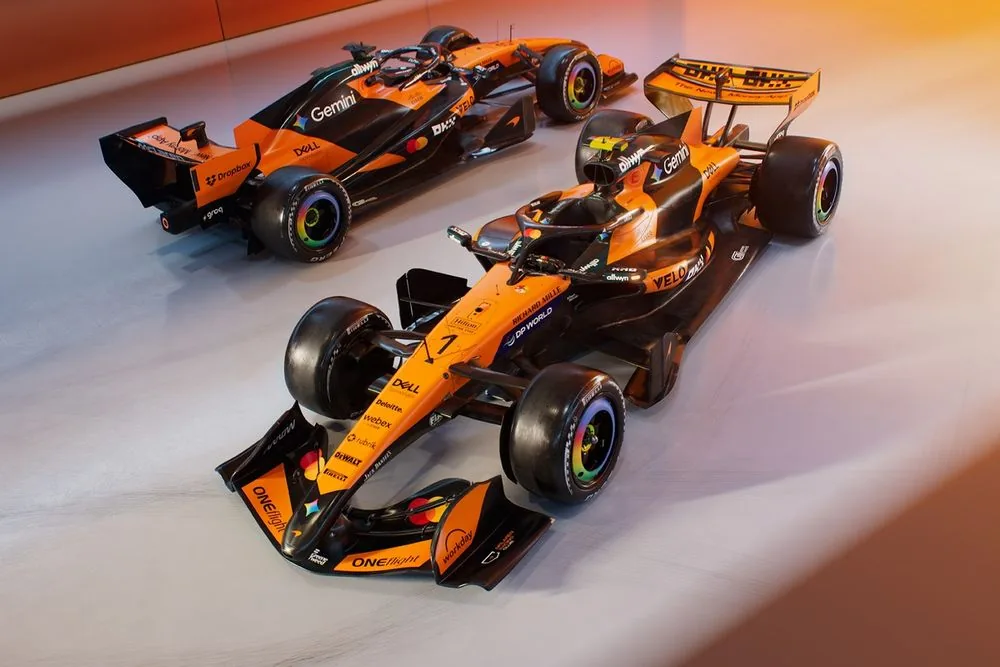
Papaya remains one of the most readable colours in the sport. On a championship-defending car with the #1 on Norris's nose, the MCL40 livery is less reinvention than assertion: we are still here, still loud, still the car you spot first in the midfield pack of a long-exposure night shot.
 source: McLaren
5. Mercedes: silver-black works colours
Works Mercedes silver-black (and whatever sponsor architecture lands on the W17) has to re-prove itself after seasons of midfield-or-better form. The same power unit paints customer cars at McLaren, Williams and Alpine, so the works livery is the purest expression of the new hybrid brand.
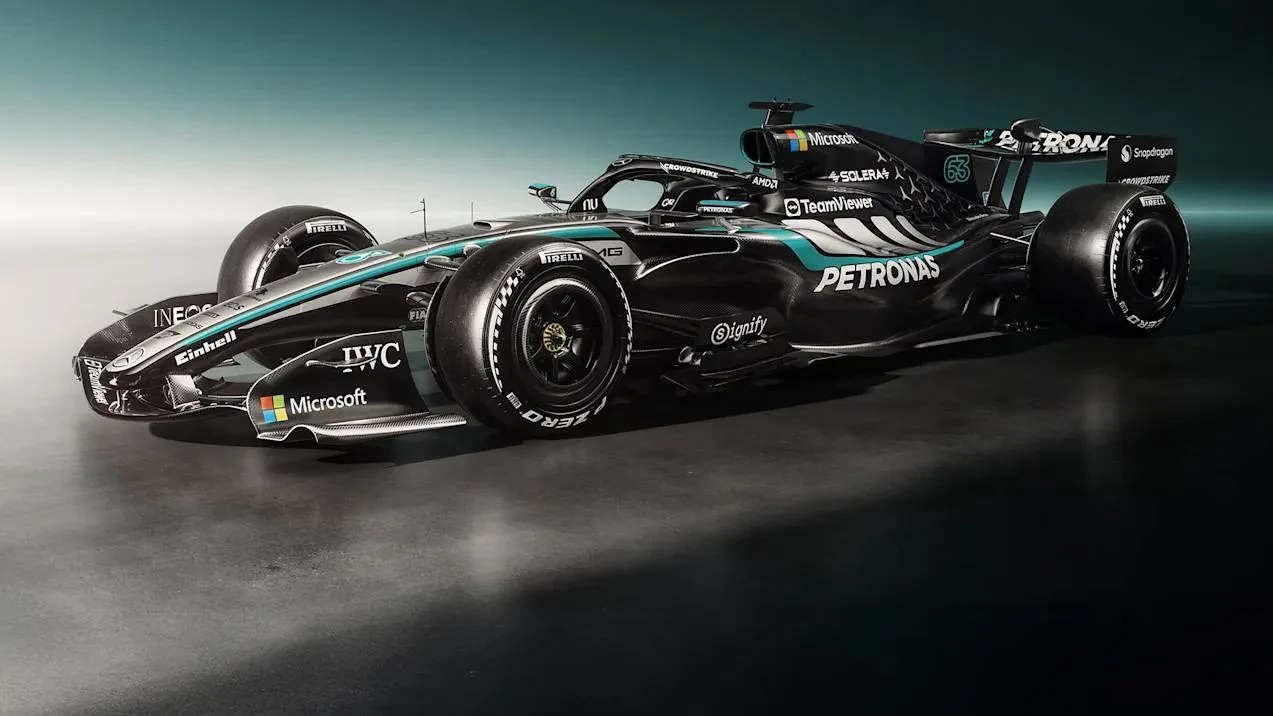 source: Mercedes-AMG PETRONAS F1 Team
6. Red Bull Racing: RB22 with Ford
Navy, red and the energy-drink graphic language stay, but the mechanical story is new: Red Bull Ford power after Honda's exit. Expect the livery launch to lean into that partnership without abandoning the most recognisable sidepod art in the paddock.
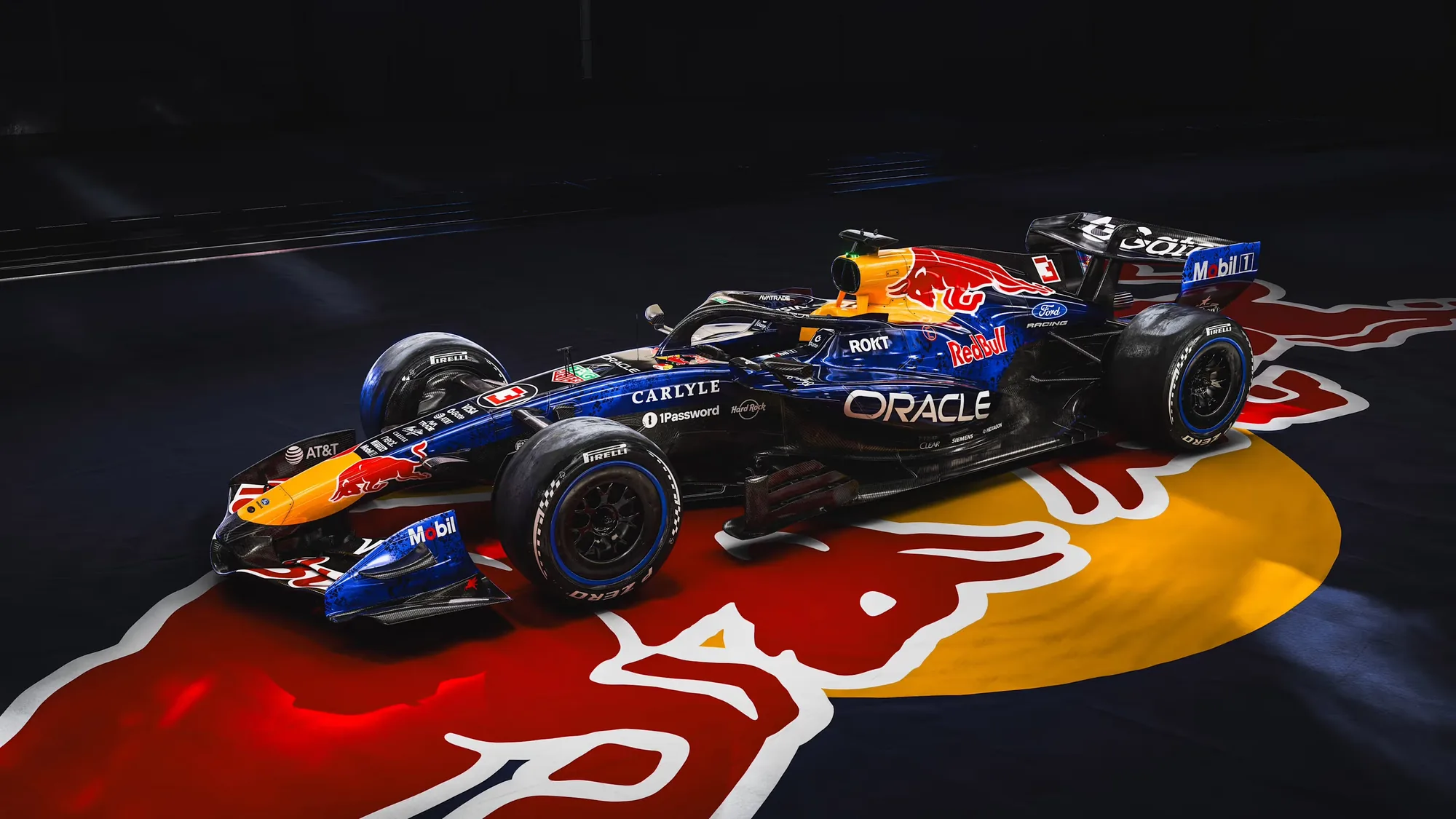 source: Oracle Red Bull Racing
7. Aston Martin: British racing green, Honda era
Aston green on an exclusive Honda works programme is a visual and technical reset. The AMR26 has to look like a Hypercar cousin and a proper Grand Prix weapon: green fields, lime accents, sponsor stacks rebuilt for the narrower body.
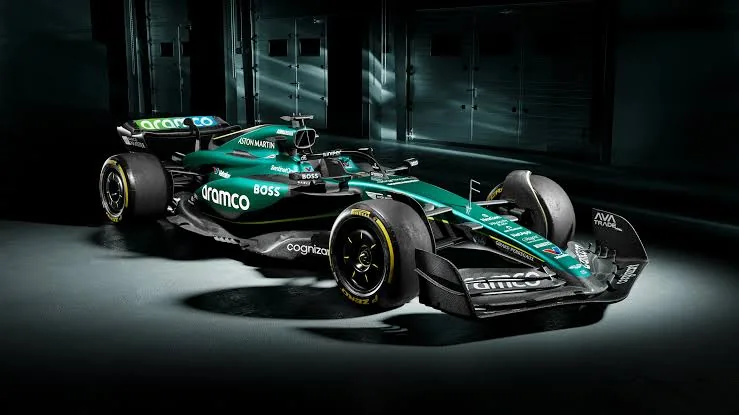 source: Aston Martin Aramco F1 Team
8. Williams: deep blue revival
Williams blue has been the colour of a rebuild. With Sainz and Albon on Mercedes power, the FW48 livery is allowed to look ambitious again: not heritage cosplay, but a serious midfield machine that wants to be photographed in parc fermé.
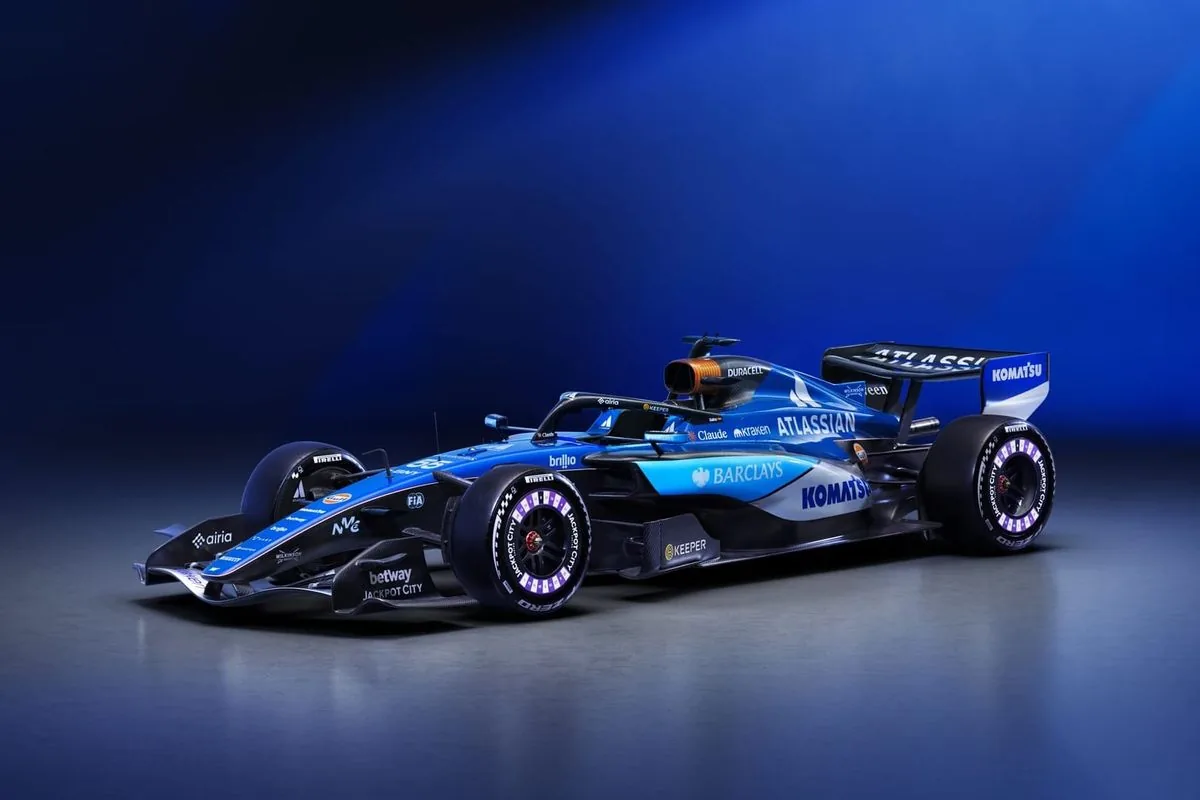 source: Williams Racing
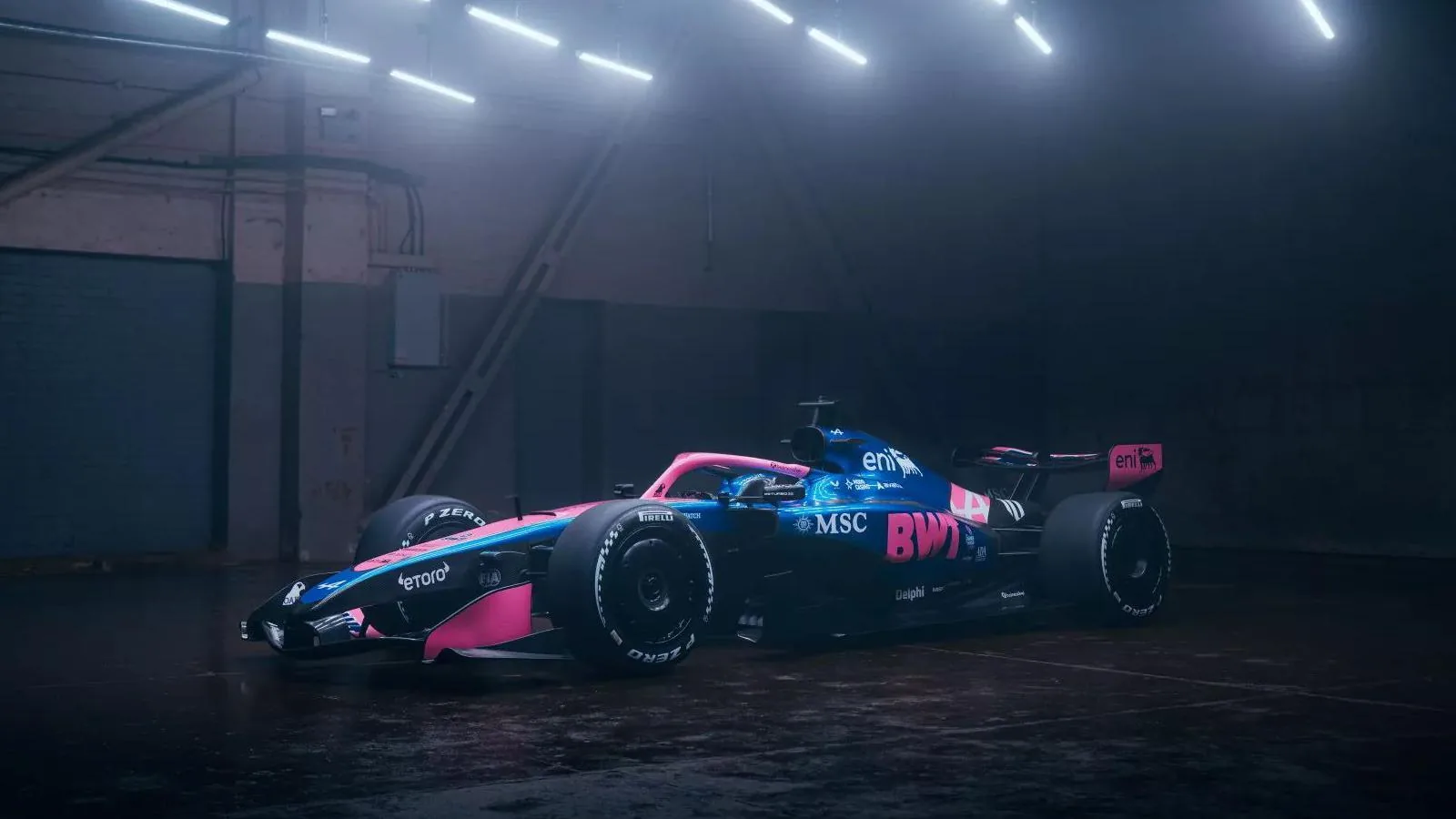
9. Alpine: post-Renault identity
Leaving Renault power for Mercedes customer hardware forces a branding rethink. Alpine blue/pink (or whatever the 2026 launch locks) has to signal a racing team, not only a road-car badge, while Gasly and Colapinto give the car two very different market faces.
 source: BWT Alpine F1 Team
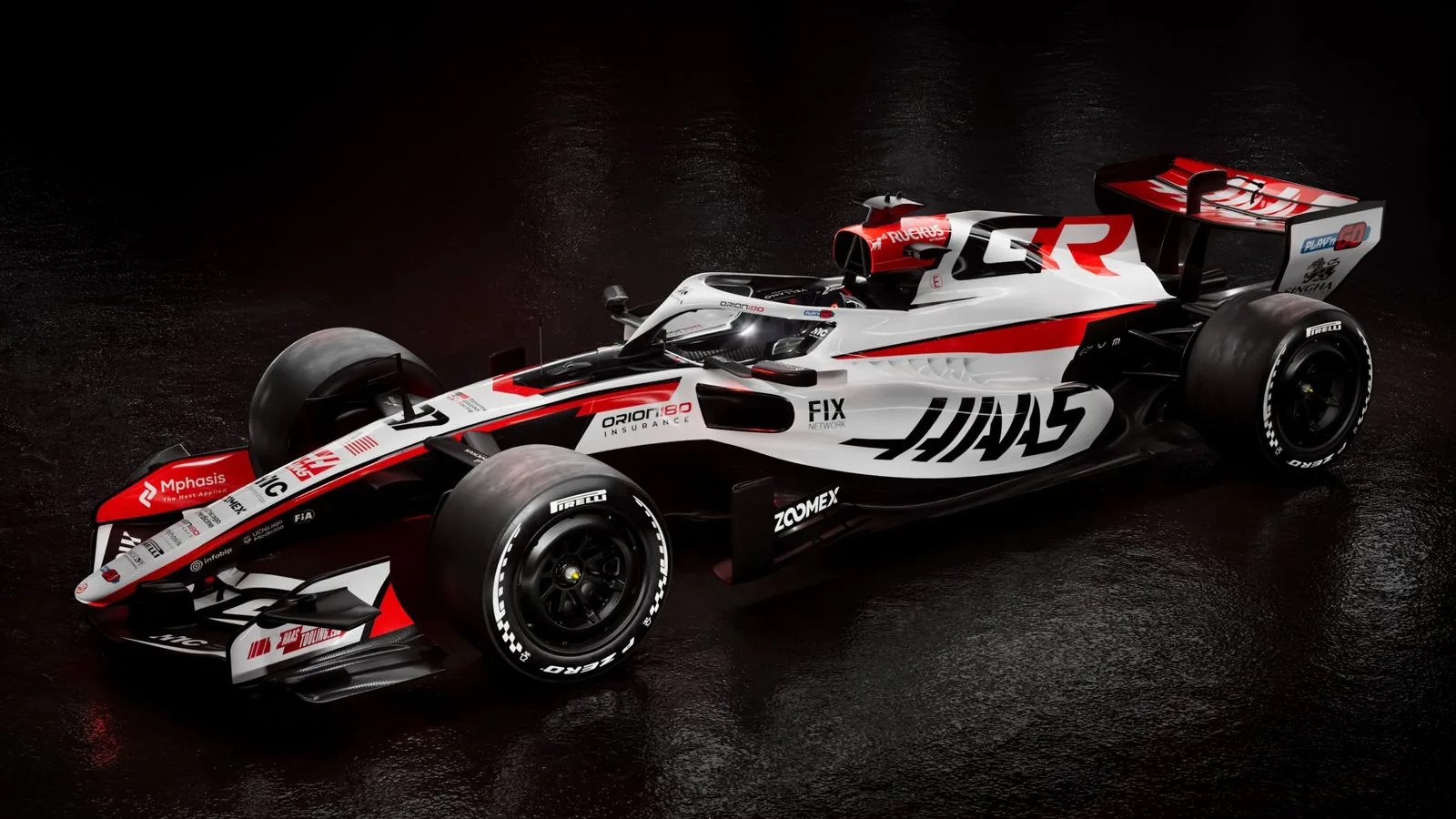
10. Haas: VF-26 Ferrari customer look
Haas continues the American independent story on Ferrari power, with Toyota Gazoo Racing links in the commercial stack. The VF-26 needs a livery that reads at speed in the midfield train: high contrast, simple graphics, no clutter on the tighter bodywork.
 source: TGR Haas F1 Team
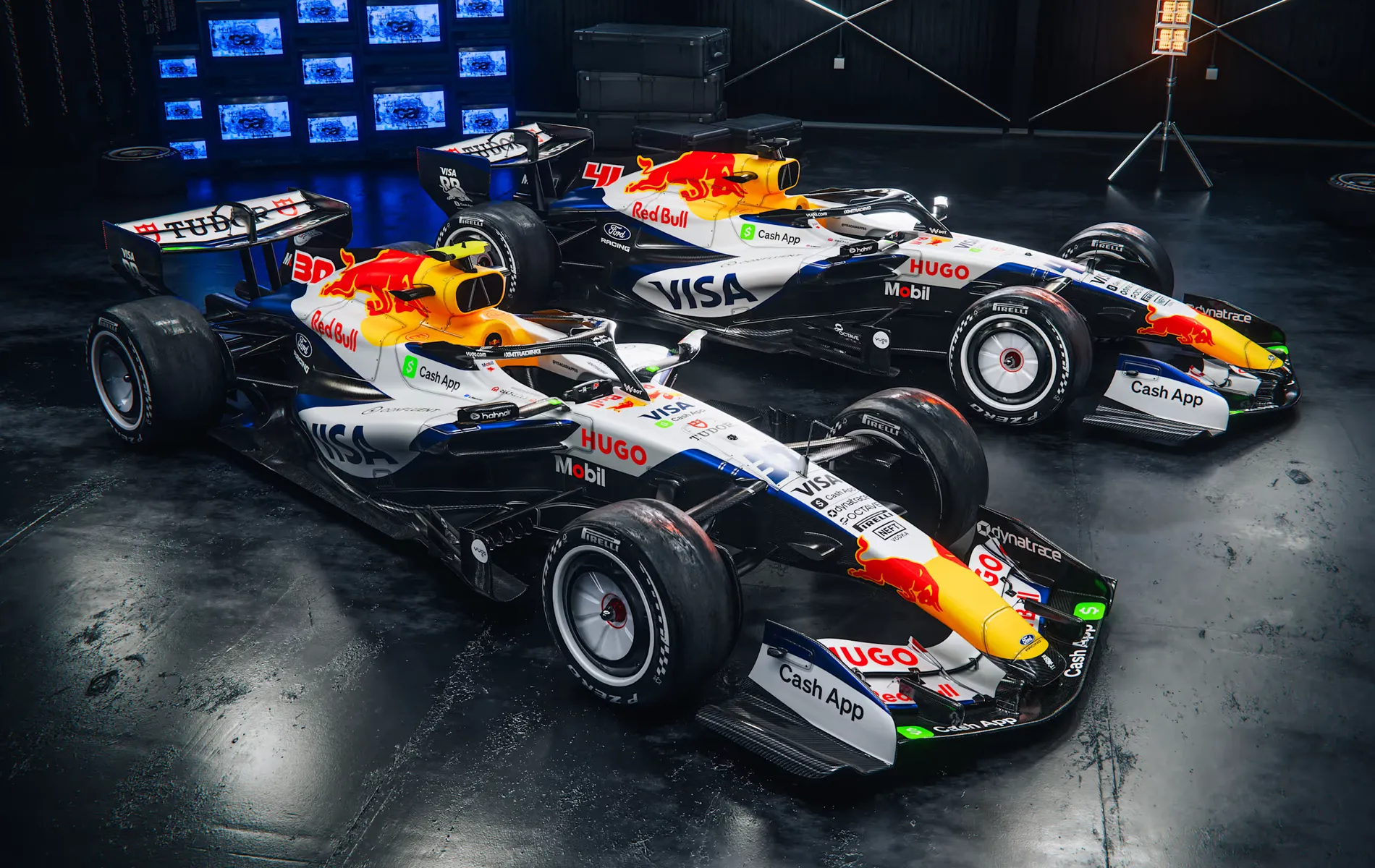
11. Racing Bulls: sister-team colours
The Faenza car must look related to Red Bull without cloning it. VCARB branding, Red Bull Ford hardware, Lawson experience and Lindblad's rookie season: the livery is youth marketing as much as race identity.
 source: Visa Cash App Racing Bulls
Where to see the 2026 liveries in person
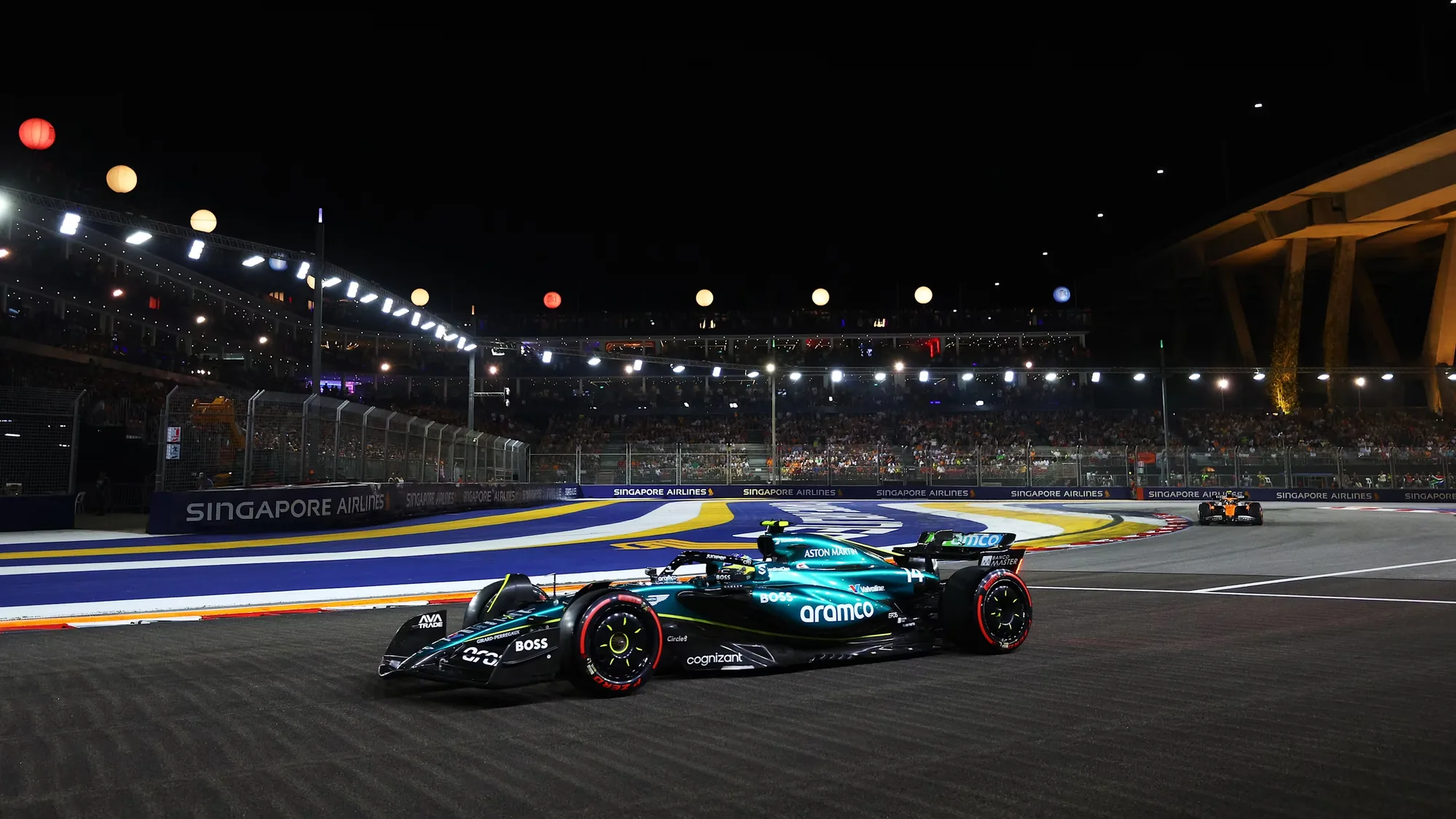
Liveries are designed in studios and judged in the real world. By October the 2026 designs arrive at Marina Bay battle-worn, glowing under floodlights on the only all-night sprint weekend of the year. That is the visual climax of the calendar, and the backdrop Grand Night was built to share.
Technical dimensions reflect published 2026 FIA regulations; specific paint details follow each team's launch. Confirm final liveries on official team channels.
Frequently asked questions
Why do 2026 F1 cars look smaller?
Regulations cut roughly 30 kg of minimum weight, shortened the wheelbase to about 3.4 m and narrowed the car to about 1.9 m, with slimmer tyres. Every livery was redrawn for the new proportions.
What replaced DRS in 2026?
Active aerodynamics: drivers switch front and rear wings between Z-Mode (high downforce) and X-Mode (low drag). Cars change silhouette on track, so paint schemes must work in two shapes.
Which teams have brand-new 2026 identities?
Cadillac as an all-new American works entry, and Audi's first works Formula 1 colours after the Sauber rebrand. Aston Martin's Honda era and Alpine's move off Renault power also refresh how those cars read.