Dar es Salaam
10 Things to Do in Dar es Salaam
Beyond the beaches: markets, museums and the woodcarvers of Mwenge, alongside the island trips that anchor most visits.
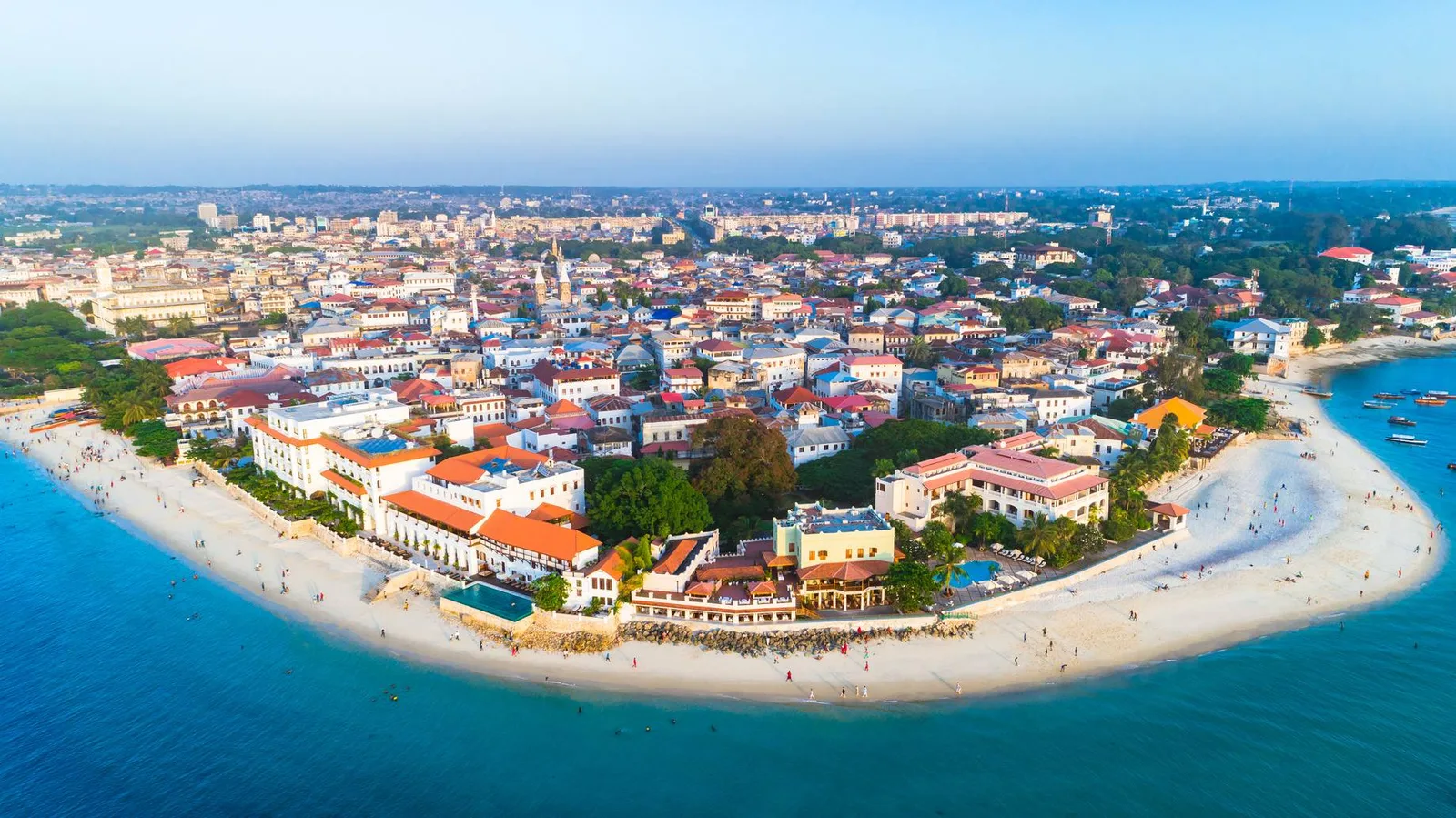
Dar es Salaam rewards a mix of island time and city culture, markets that have run for generations, a museum built around Tanzania's ethnic homesteads, and the easiest boat trips on the coast.
These rankings pull from a mix of Google, Yelp, TripAdvisor and Booking.com reviews. The following are ten things worth doing in Dar es Salaam.
Mbudya Island
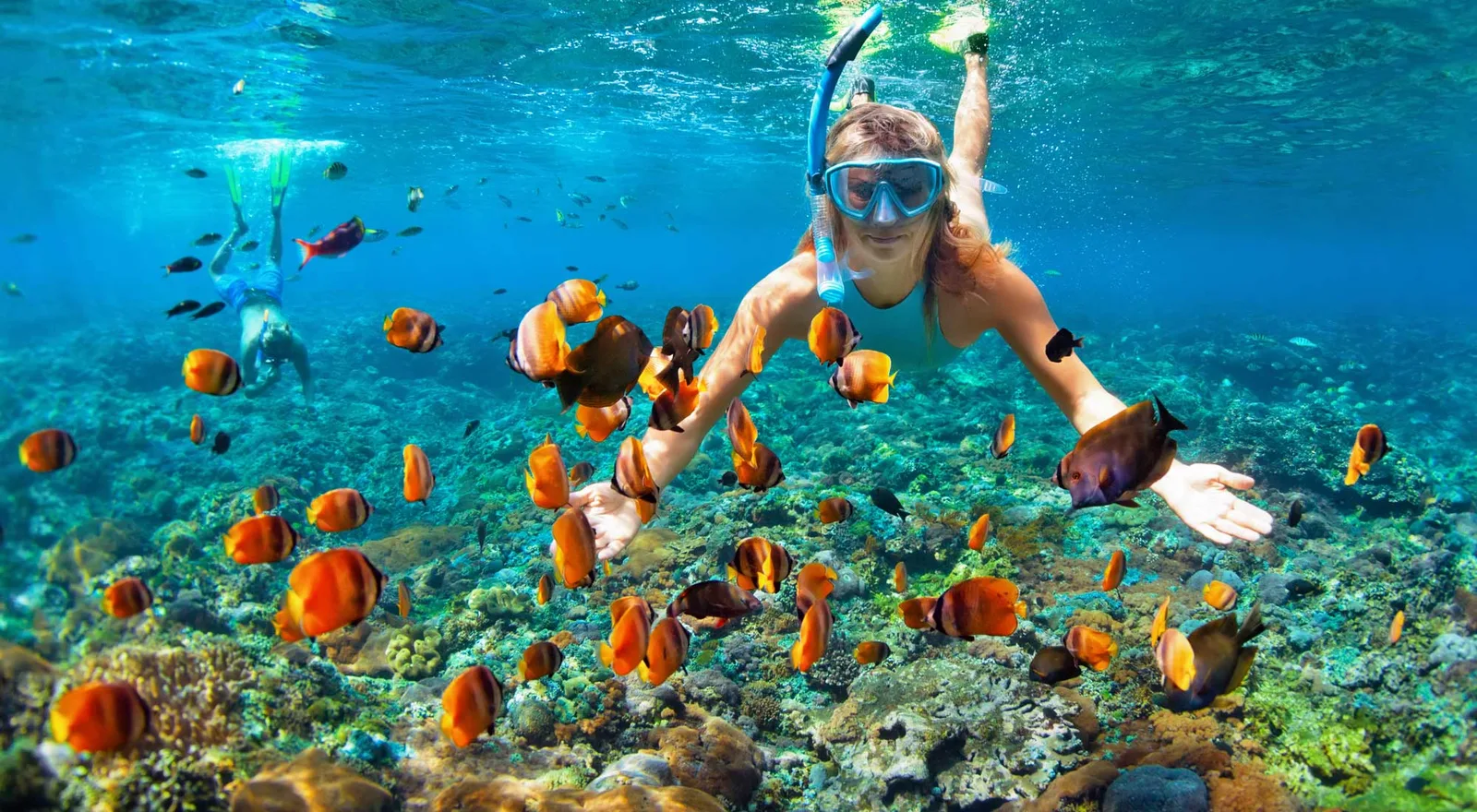
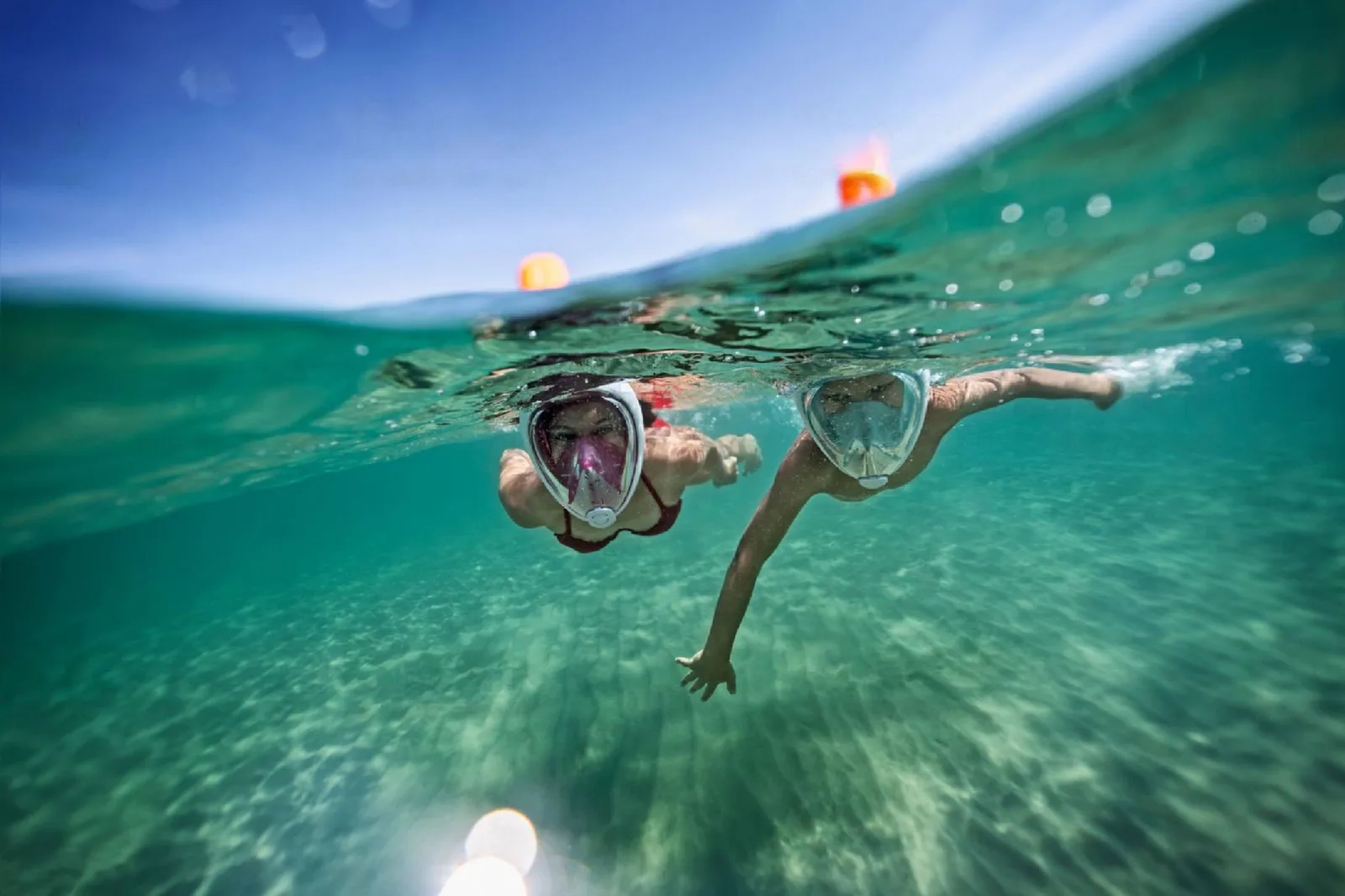
A protected, uninhabited island around 14 km², the largest in the marine reserve, roughly 3.5km offshore from Kunduchi with regular boat services built for exactly this trip. Its wide western beach and cluster of banda huts make it the classic Dar island day out, and coral reef snorkeling regularly turns up butterfly fish, grouper and the occasional sea turtle. Covered in full, alongside the rest of the reserve's islands, in our [beaches and islands guide](/dar/best-beaches-and-islands-near-dar-es-salaam).
Bongoyo Island
The most frequently visited of the marine reserve islands, about 2.5km north of the city and popular for snorkeling and sunbathing along its beach trail. It's also home to some of Tanzania's largest specimens of the endangered coconut crab, adding a genuine wildlife note to what's otherwise a straightforward beach day. Mbudya's usual companion on any island shortlist, similarly set up for a full day out on the water.
The Slipway
Dar es Salaam's premier waterfront shopping and leisure centre, on Yacht Club Road in Masaki with views across Msasani Bay and the Indian Ocean breeze built into the design. It's a Swahili-coast-inspired complex covering shops, restaurants and cafes, an arts-and-crafts souk, a supermarket, a bank and bureau de change, and even island ferry tours booked directly on site. The easiest low-effort half-day if you'd rather stay on the mainland than book a boat, reachable by boda boda, dala-dala or a short bike ride from anywhere in Masaki.
Coco Beach
Also known as Oyster Bay beach, on the Msasani Peninsula and the city's most convenient beach, a short walk from Masaki's restaurants and lounges. It's the most heavily used stretch of sand on this list, street food stalls, equipment rental, occasional live music and beach parties, and large weekend crowds, more about proximity and atmosphere than dramatic scenery. A solid evening [sunset](/dar/best-sunset-spots-in-dar-es-salaam) stop given how close it sits to everything else.
Village Museum
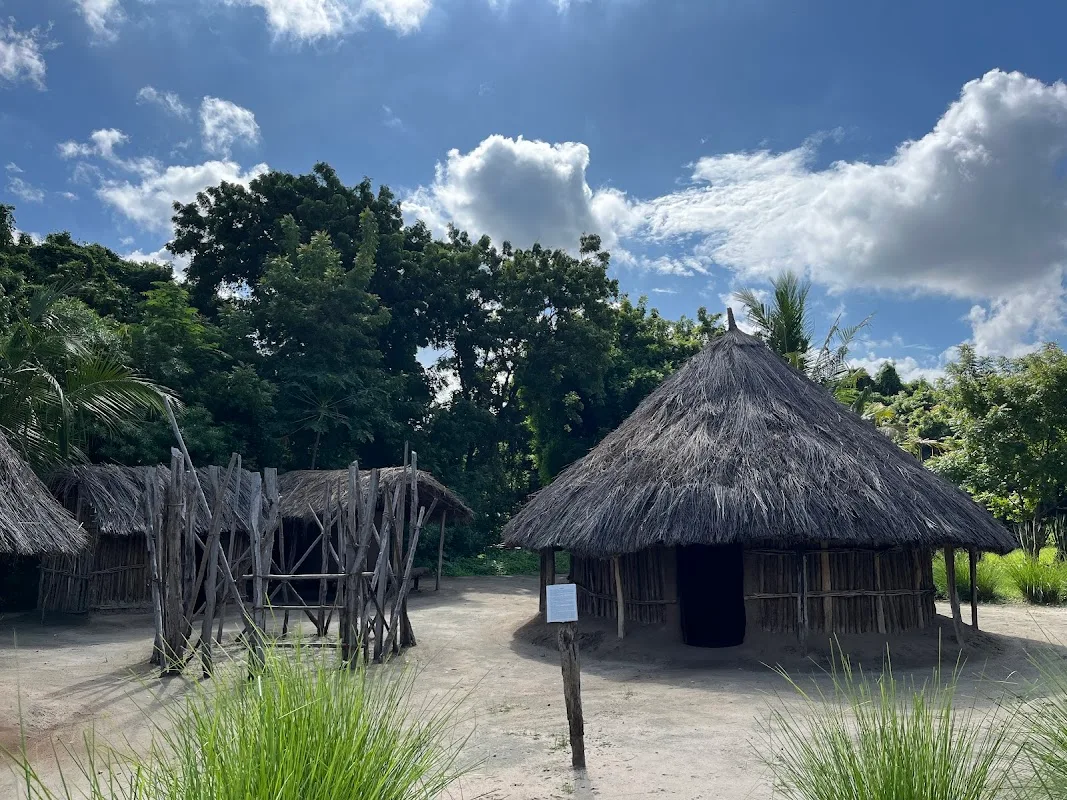
An open-air ethnographic museum founded in 1967, about 9km north of the city centre, with over 30 authentic houses recreating the Tembe, Msonge and Banda architectural styles used across more than 120 of Tanzania's ethnic groups. Each homestead is furnished and surrounded by small crop plots, and resident 'villagers' demonstrate weaving, pottery and carving, with traditional dance performances staged when there's enough demand. It's part of the wider National Museum of Tanzania consortium and one of the more overlooked cultural stops in the city, reachable by Mwenge dala-dalas from the New Posta transport stand.
Kariakoo Market
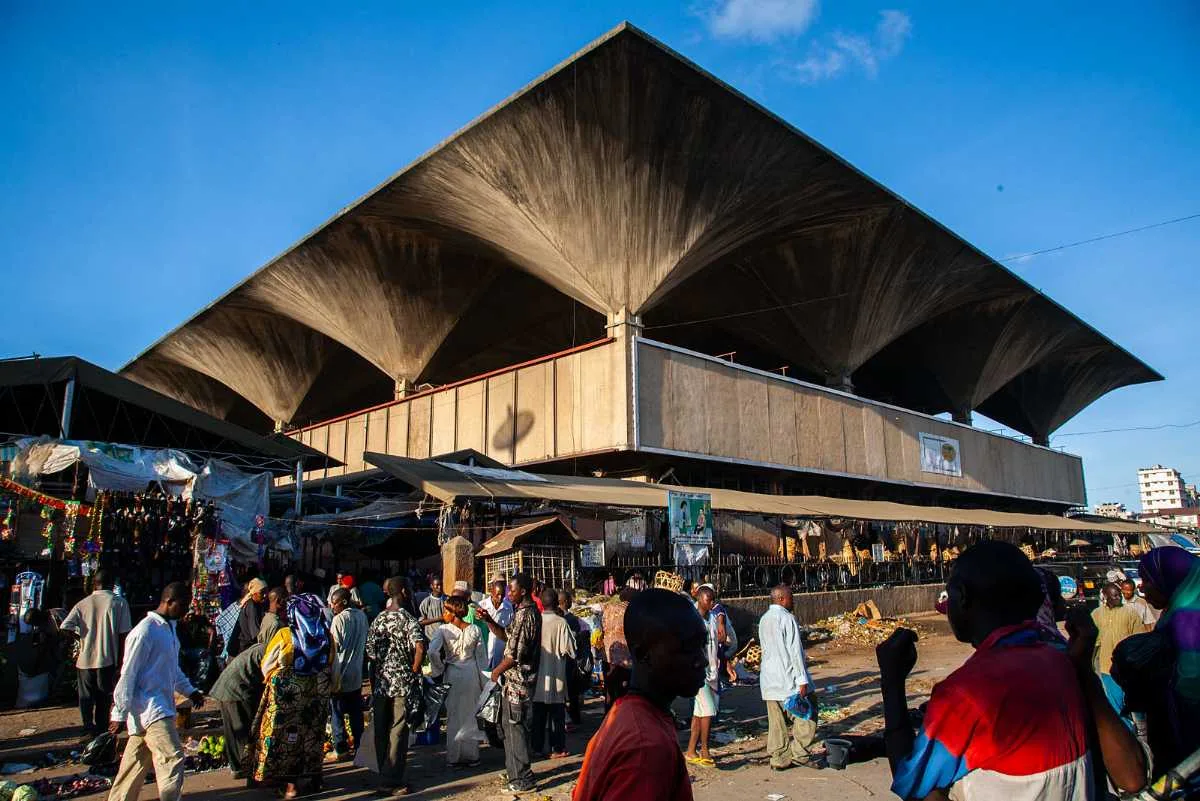
Dar's largest and most chaotic market, with a history running back to the early 1900s, its name is a corruption of the British 'Carrier Corps' once based here, and the current building, redesigned by architect B.J. Amuli, opened in 1975 under Julius Nyerere. Three packed floors of food, spices, clothing and electronics spill out into surrounding blocks of narrow pathways and stalls, open roughly 7am to 8pm and forming a genuine backbone of the city's food supply and small-scale economy. Worth experiencing even if you're not buying anything, go with a plan rather than wandering in cold, and keep valuables secure.
National Museum of Tanzania
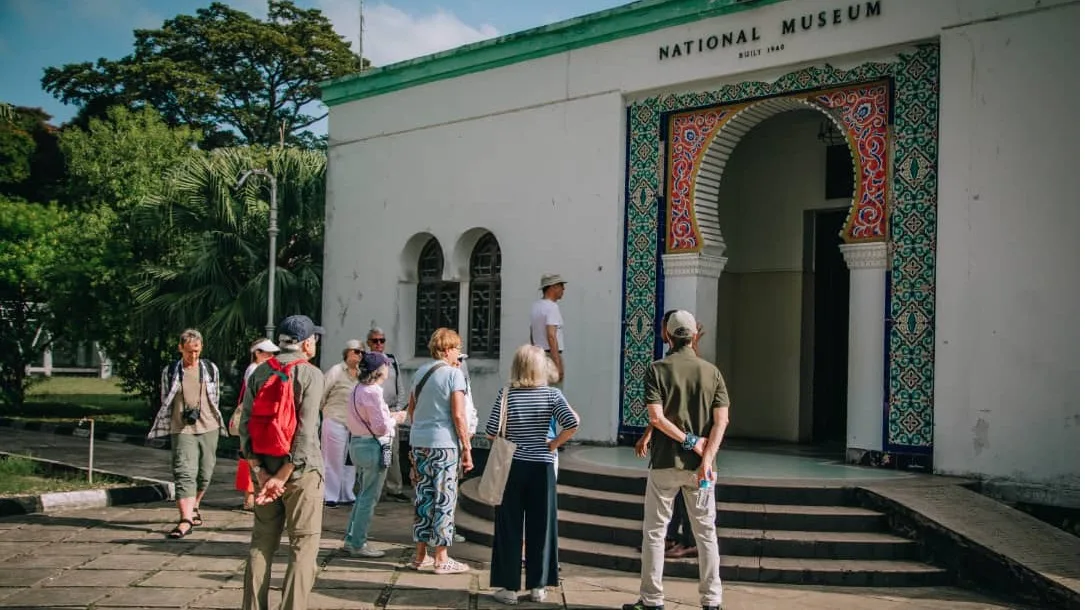
Opened in 1940 and rooted in a museum founded in 1934 by Tanganyika's governor Harold MacMichael, the National Museum sits on Shaaban Robert Street and anchors a consortium of five sites including the Village Museum. Its collections span prehistoric human origins (finds spanning Paranthropus boisei through Homo habilis and Homo erectus) alongside ethnographic exhibits on Tanzania's cultures and a vault of national treasures. A rating wasn't independently confirmed at time of research, check current hours before visiting.
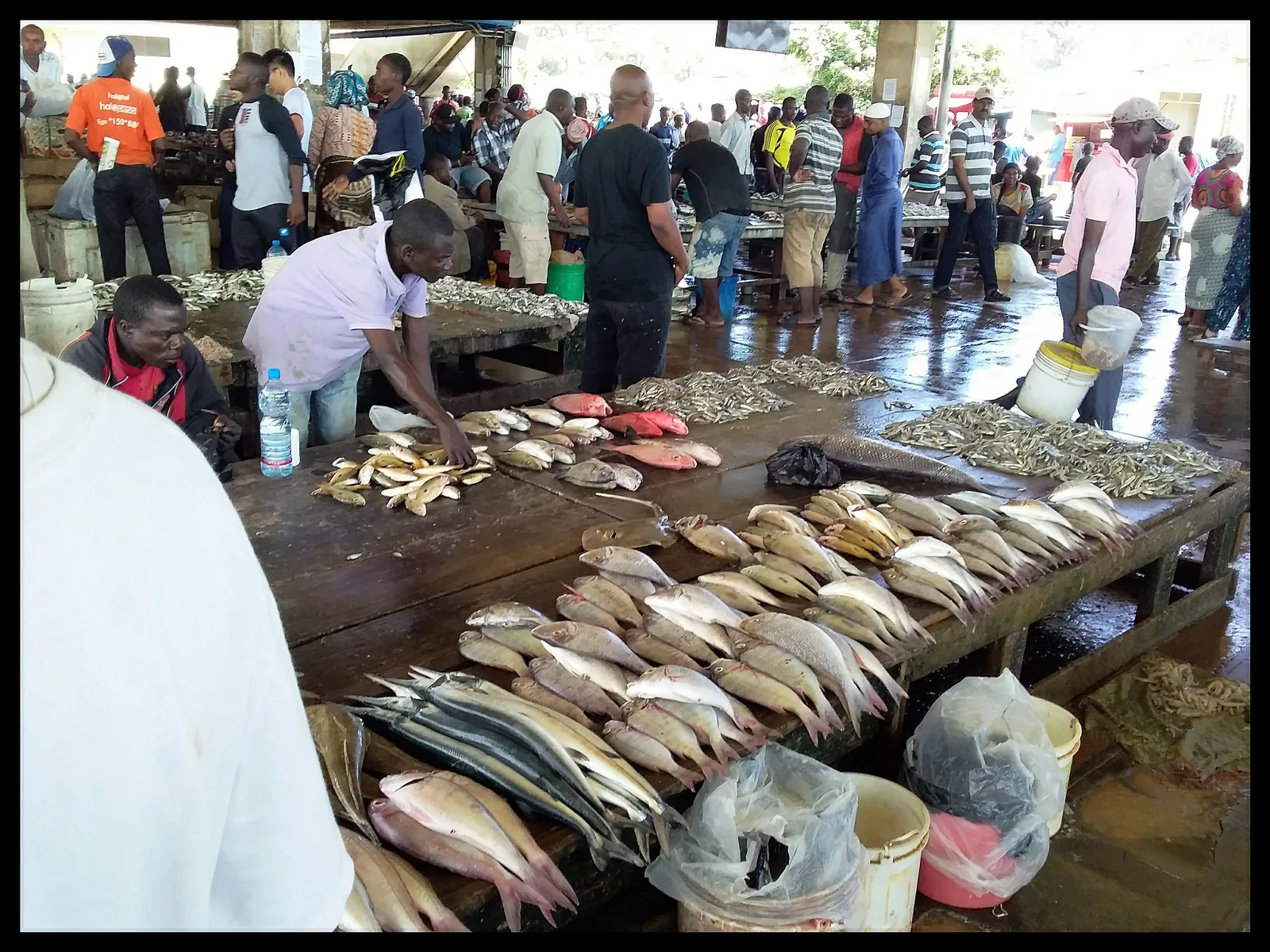
Kivukoni Fish Market
One of East Africa's busiest fish markets, sitting on Ocean Road right next to the Kigamboni ferry pier, an easy walk or taxi ride from downtown. Local fishermen start arriving as early as 6am to auction the night's catch, and the market runs on through the day with seafood sold both raw and cooked at individual vendor stalls and a single on-site restaurant, often at some of the lowest prices in the city. Confirm current hours before going, since it's a genuinely early start if you want to see the auction itself.
Mwenge Woodcarvers Market
Tanzania's largest retail outlet for Makonde carving, about 10km north of the city centre, where roughly 200 artisans work across around 100 open-air stalls carving African blackwood (locally called Mpingo) into masks, sculptures and figures. It's the better stop for genuine souvenirs precisely because the carvers are on site working while you shop, alongside smaller stalls selling fabric, sandals and beaded jewellery. Open daily from 7am to 6pm, and haggling is expected.
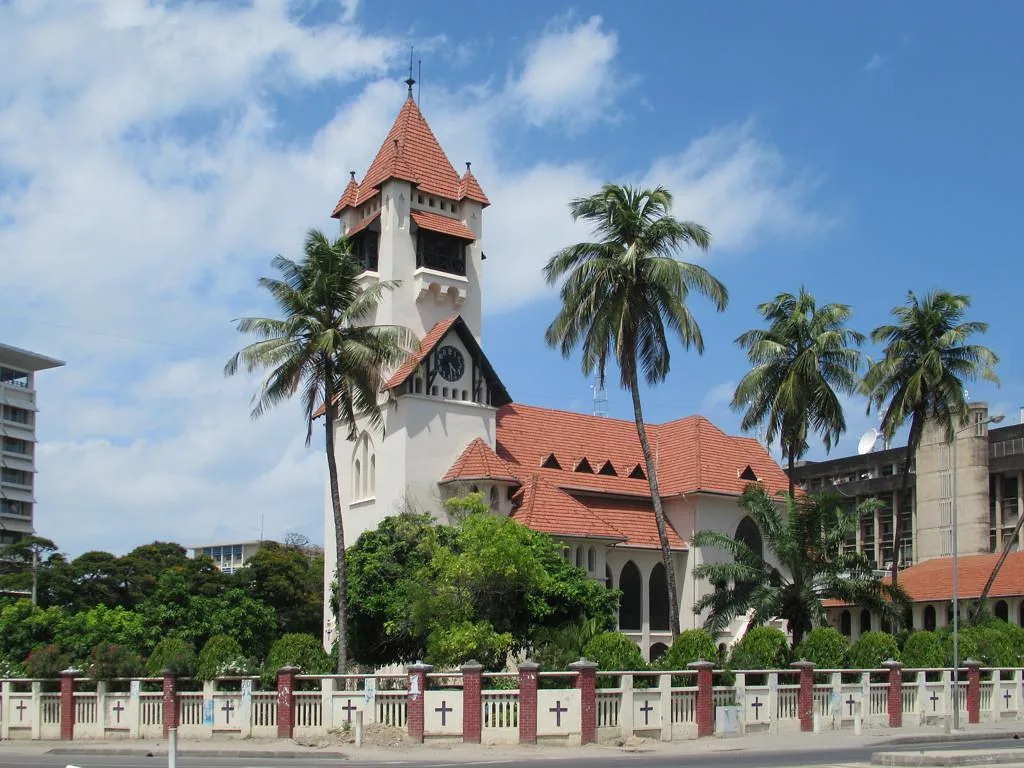
Azania Front Lutheran Church
A gothic-style cathedral built by German missionaries between 1899 and 1902 on Kivukoni Front, right on the harbour, its red-tiled roof, white walls and towering spire have made it one of the city's most recognisable landmarks for over a century. The name means 'front of the East African coast,' and it served as the original social hub for Dar's European settlers before becoming, after WWI and the British takeover, a steadily more diverse and locally rooted congregation. It's still an active church today under the Evangelical Lutheran Church in Tanzania, and visitors are generally welcome outside service times, confirm current visiting hours before stopping by.
Island time
For the beach and island side of a Dar visit in full, see our beaches and islands guide, Mbudya and Bongoyo above are the two most established day trips.
Hours, access and market conditions change. Confirm current details before visiting, particularly for the "Verify" entries above.
Frequently asked questions
What's the single best first-time activity in Dar es Salaam?
A trip to Mbudya or Bongoyo Island covers the classic Dar day out; The Slipway in Masaki is the easiest low-effort half-day if you'd rather stay on the mainland.
Is Kariakoo Market worth visiting as a tourist?
Yes, as an experience, it's Dar's largest and most chaotic market. Go with a plan, keep valuables secure, and treat it as a sensory visit rather than a shopping trip.